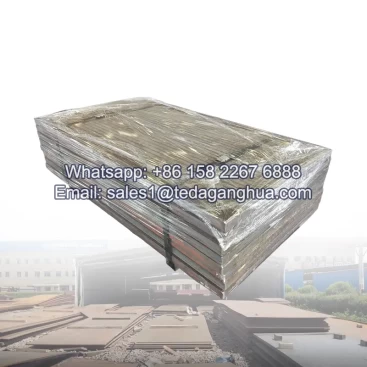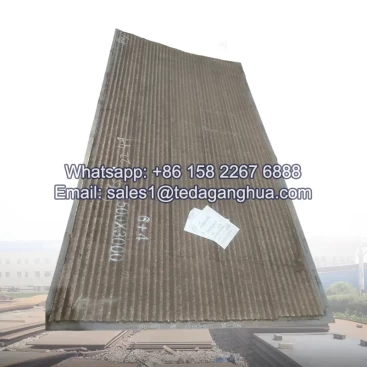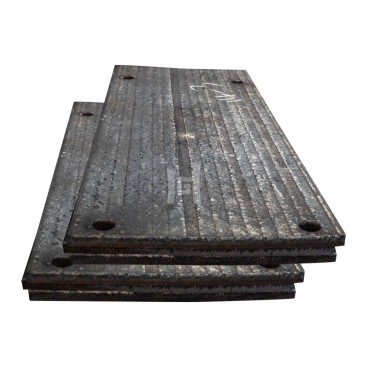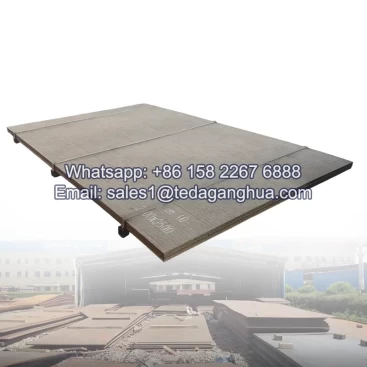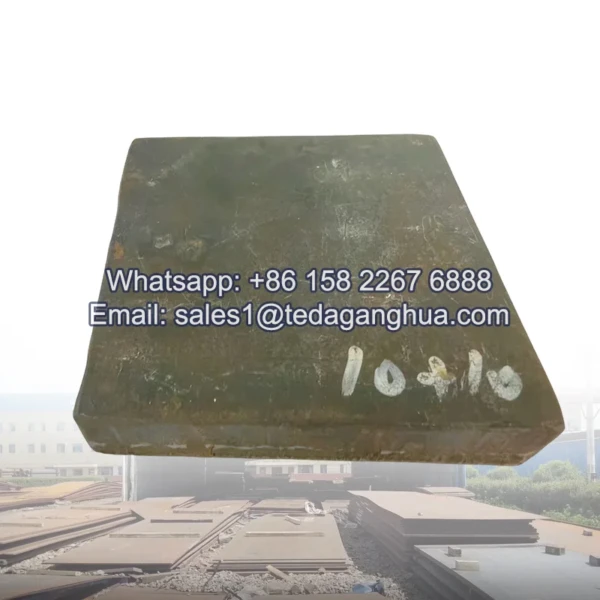
Chromium Carbide Overlay Wear Plate
Chromium Carbide Overlay Wear Plate achieves outstanding wear resistance through a hardfacing layer rich in chromium carbides. This structure provides a strong combination of surface hardness and structural toughness, making it highly effective in extreme abrasion environments.
- Description
Chromium Carbide Overlay Wear Plate is a high-performance wear-resistant material produced by depositing a chromium carbide-rich hardfacing layer onto a steel base plate. It is widely used in severe abrasion environments where standard steel materials cannot provide sufficient service life.
Its main advantage comes from the extremely hard carbide structure formed during the overlay welding process.
Hardfacing Structure and Composition
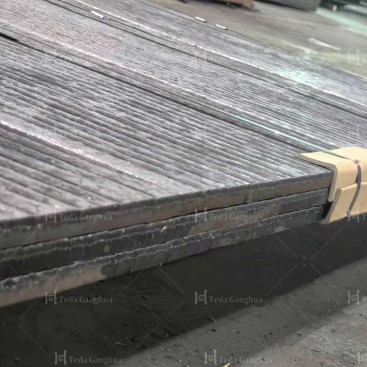
The wear-resistant layer is created through a welding deposition process. The typical structure includes:
- Base plate: Mild steel or low-alloy steel for strength and support
- Overlay layer: High-chromium alloy weld deposit
- Hard phase: Chromium carbides (Cr₇C₃ and related carbides)
This structure combines toughness from the base plate and extreme hardness from the carbide layer.
Wear Resistance Mechanism
The excellent wear resistance of Chromium Carbide Overlay Wear Plate comes from its microstructure.
1. High Hardness Carbide Phase
The chromium carbide particles are extremely hard, typically reaching high hardness levels. These particles resist cutting, scratching, and abrasion from hard materials.
2. Two-Layer Protection System
- The hard overlay layer resists direct abrasion
- The steel base absorbs impact and structural stress
This combination prevents cracking and improves service life.
3. Self-Sacrificial Wear Layer
During operation, only the overlay layer wears gradually while the base plate remains intact, maintaining structural integrity for a long time.
Key Wear Performance Characteristics
Chromium Carbide Overlay Wear Plate provides:
- Excellent resistance to sliding abrasion
- Strong performance in impact-abrasion conditions
- High surface hardness and stability
- Long service life in harsh environments
- Reduced maintenance and replacement frequency
Typical Wear Conditions
This material performs best in environments involving:
- Bulk material handling
- Mining and quarrying
- Cement production
- Coal and power plants
- Steel and metallurgical industries
It is especially effective against hard particle abrasion such as sand, ore, and clinker.
Comparison with Conventional Steel
| Feature | Standard Steel Plate | Chromium Carbide Overlay Wear Plate |
|---|---|---|
| Hardness | Low to medium | Extremely high surface hardness |
| Wear Resistance | Limited | Excellent |
| Impact Resistance | Good | Good (supported by base plate) |
| Service Life | Short | Long |
| Maintenance Frequency | High | Low |