- Description
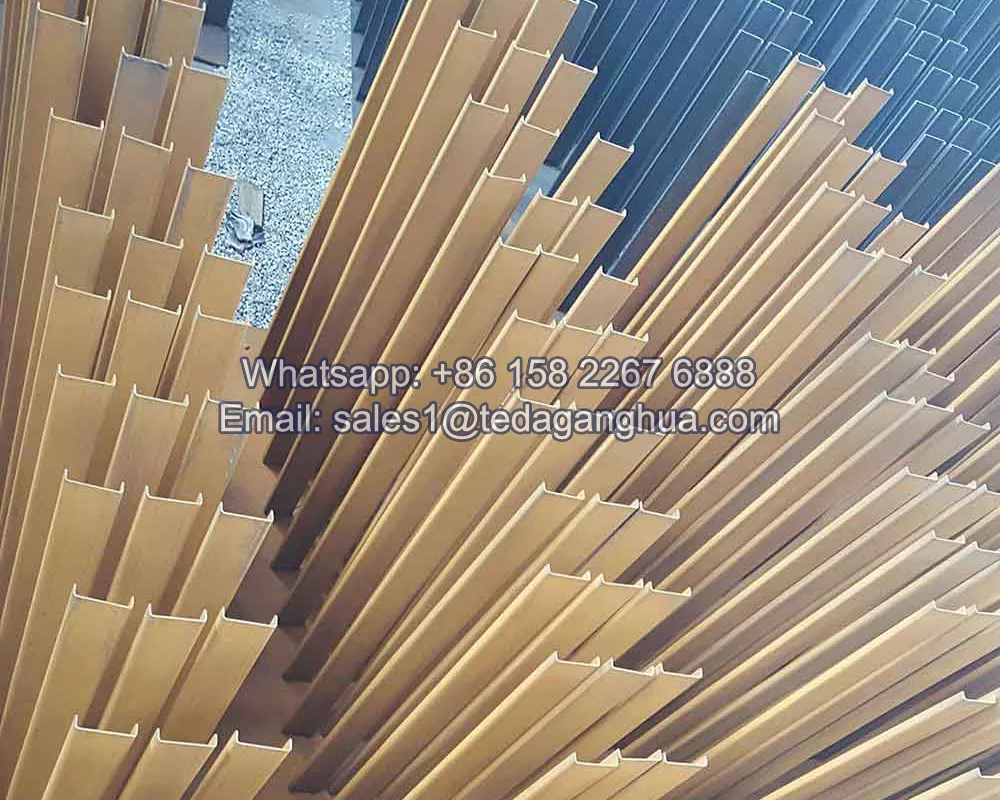
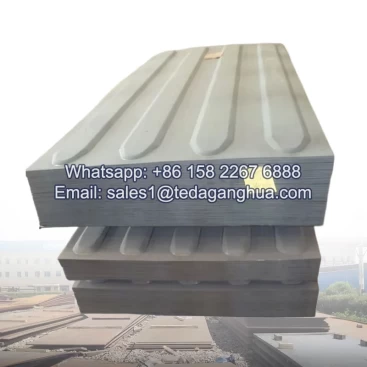
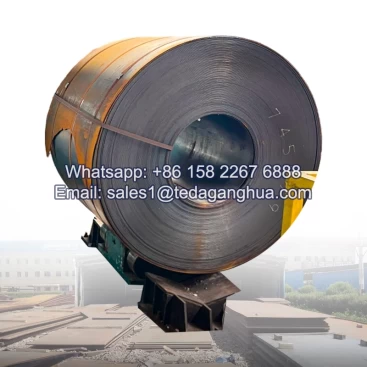
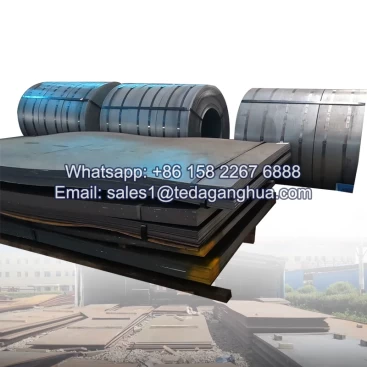
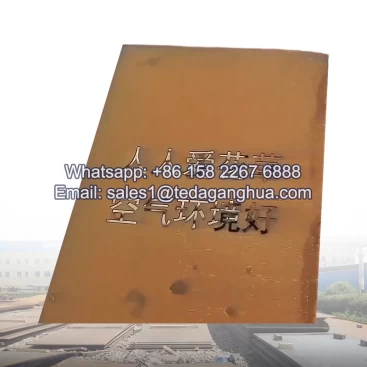
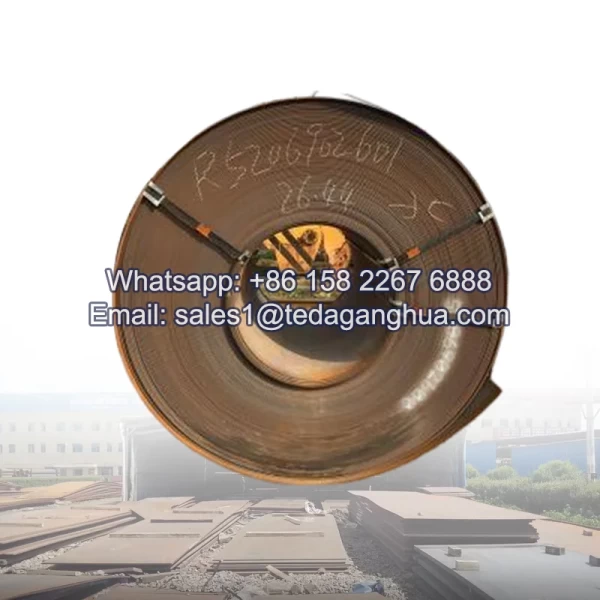
Rusty Corten steel (also known as weathering steel) is a group of low-alloy steels designed to form a stable, protective rust layer when exposed to outdoor environments. Unlike ordinary carbon steel, which continues to corrode, Corten steel develops a dense oxide layer that slows down further corrosion and gives it the characteristic red-brown “rusty” appearance.
What Is Corten Steel?
Corten steel is a weathering steel containing small amounts of alloying elements such as copper, chromium, nickel, and phosphorus. These elements change the way rust forms on the surface, allowing the material to self-protect in atmospheric conditions.
Why Does Corten Steel Turn Red-Brown?
The red “rusty” appearance of Corten steel is caused by a controlled oxidation process.
1. Initial Rust Formation
When Corten steel is first exposed to air and moisture:
- Iron reacts with oxygen and water
- A thin layer of iron oxide forms (similar to normal rust)
- The surface begins to turn orange or light brown
At this stage, the rust is still loose and unstable.
2. Alloy Elements Modify the Rust Layer
Corten steel contains elements such as:
- Copper (Cu)
- Chromium (Cr)
- Nickel (Ni)
These elements help transform the rust layer into a:
- Dense
- Adhesive
- Protective oxide film
This layer is much more stable than normal rust on carbon steel.
3. Formation of Protective Patina
Over time, under alternating wet and dry conditions:
- The rust layer becomes compact and tightly bonded
- Moisture penetration is reduced
- Oxygen diffusion slows down
- Corrosion rate significantly decreases
This stable layer is called a protective patina.
4. Why the Color Is Red-Brown
The final color is caused by:
- Iron oxide (Fe₂O₃) formation
- Controlled oxidation process
- Stable surface chemistry
The result is a natural aesthetic finish ranging from:
- Orange-red (early stage)
- Dark brown (stable stage)
- Deep reddish-brown (fully matured patina)
Key Performance Feature of Rusty Corten Steel
Self-Protecting Surface
Unlike normal steel, Corten steel:
- Does not require painting in many outdoor applications
- Forms a protective rust layer instead of continuous corrosion
- Improves durability in atmospheric exposure
Weather-Dependent Behavior
The rusting process requires:
- Wet/dry cycle (rain + drying)
- Good air circulation
- Exposure to natural weather conditions
In constantly wet or sealed environments, the protective layer may not fully stabilize.
Common Applications of Rusty Corten Steel
Because of its unique appearance and durability, Corten steel is widely used in architectural and landscape design:
- Building facades
- Outdoor sculptures
- Landscape walls and gardens
- Bridges and structural elements
- Railway and transportation structures
- Container and industrial design
- Decorative panels and screens
- Urban architectural projects
Difference Between Corten Steel and Ordinary Carbon Steel
| Property | Corten Steel | Carbon Steel |
|---|---|---|
| Rust Behavior | Forms protective layer | Continuous corrosion |
| Maintenance | Low | High |
| Appearance | Stable red-brown patina | Flaky, unstable rust |
| Durability | Improved outdoors | Decreases over time |