Wear Resistant Steel Grades: Identification & Abrasion Performance
Wear resistant steel (AR steel) is a type of high-strength alloy designed to withstand heavy wear, impact, and abrasion in industrial applications. Understanding the different wear resistant steel grades, how to identify them, and their relative wear resistance is critical for selecting the right material for mining, construction, earthmoving, and manufacturing equipment.
Types of Wear Resistant Steel Grades
Wear resistant steel is available in multiple grades, each optimized for specific hardness, toughness, and abrasion resistance:
| Grade | Typical Hardness (HB / HRC) | Common Applications | Key Features |
|---|---|---|---|
| AR400 / NM400 | 360–430 HB | Chutes, buckets, liners, mining equipment | Good balance of hardness and toughness |
| AR500 / NM500 | 470–530 HB | Heavy-duty bucket lips, dump truck bodies | Higher hardness, greater wear resistance |
| AR600 / NM600 | 560–600 HB | High-impact wear surfaces | Very high hardness, reduced ductility |
| AR450 / NM450 | 440–500 HB | Crushers, hoppers, conveyor parts | Medium-high hardness, good toughness |
| AR350 / NM350 | 330–380 HB | Low-impact wear surfaces | Moderate hardness, easier to form and weld |
Notes:
-
AR = Abrasion Resistant (U.S./ASTM standard)
-
NM = “耐磨钢” equivalent in Chinese standard (GB/T), similar hardness ranges but may differ slightly in chemical composition
 How to Identify Wear Resistant Steel Grades
Identifying the correct grade is critical to ensure durability and cost efficiency:
-
Hardness Testing
-
Use Brinell (HB), Rockwell (HRC), or Vickers hardness tests.
-
Hardness values correspond directly to grade designations (e.g., NM500 ≈ 500 HB).
-
-
Chemical Composition Analysis
-
AR/NM steels are typically low-alloy, high-carbon steels with elements like C, Mn, Cr, Ni, and Mo to enhance hardness and toughness.
-
Slight variations in alloy content affect wear resistance and weldability.
-
-
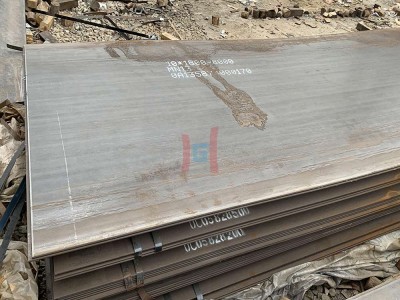
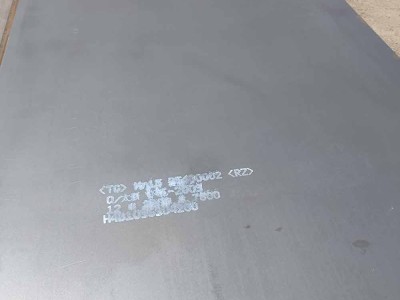
Manufacturer Certification
-
Request material certificates or grade stamps from reputable suppliers.
-
Certificates often include hardness, chemical composition, and mechanical properties.
-
-
Visual and Surface Inspection
-
Higher grades like AR600 tend to be harder to machine and form.
-
Lower grades (AR350) are easier to cut, bend, and weld.
-
Wear Resistance Differences Between Grades
The wear resistance of steel increases with hardness, but extreme hardness may reduce toughness and ductility:
| Grade | Hardness | Relative Wear Resistance | Notes |
|---|---|---|---|
| AR350 / NM350 | 330–380 HB | Low | Suitable for moderate abrasion, easy to weld |
| AR400 / NM400 | 360–430 HB | Medium | Balanced hardness and toughness for general applications |
| AR450 / NM450 | 440–500 HB | Medium-high | Increased lifespan under moderate-to-heavy wear |
| AR500 / NM500 | 470–530 HB | High | Ideal for high-impact wear surfaces, less ductile |
| AR600 / NM600 | 560–600 HB | Very High | Extremely abrasion-resistant, can crack under impact if not supported |
Key Insight: Selecting the correct wear resistant steel grade requires balancing hardness, toughness, and application conditions. Overly hard steel may brittle under impact, while softer steel may wear too quickly in abrasive environments.