Difference Between Wear-Resistant Steel Plate and Wear-Resistant Composite Steel Plate
Comparison of Wear-Resistant Steel Plates
Introduction
Wear-resistant steel is a type of steel designed for high durability and resistance to wear. It is widely used in industries where materials experience high friction and impact. Wear resistance can be categorized based on different wear mechanisms, such as abrasive, adhesive, corrosive, and impact wear.
As a leading China wear-resistant steel factory, we specialize in manufacturing high-quality wear-resistant steel plates for industries such as mining, cement, power plants, and heavy machinery. Our product range includes NM 450 and AR 450 plates, known for their exceptional hardness and wear resistance. This article compares two main types of wear-resistant steel plates: wear-resistant composite steel plate and heat-treated wear-resistant steel plate.
1. Definition
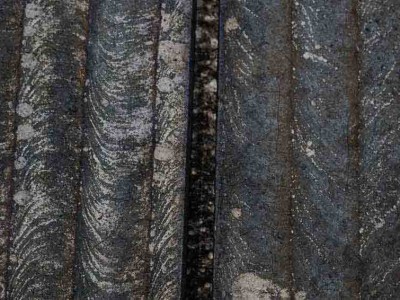
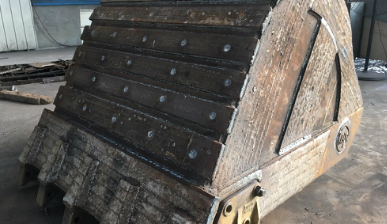
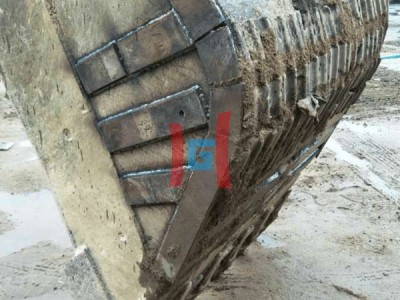
Wear-Resistant Composite Steel Plate
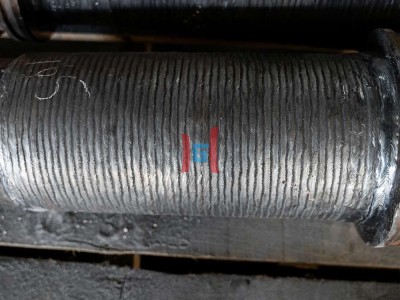
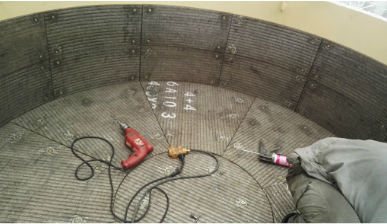
- A high-alloy wear-resistant layer is applied to a standard steel plate through surfacing.
- Combines the durability of the wear-resistant layer with the strength, weldability, and deformation resistance of the base plate.
- Hardness: HRC52-64.
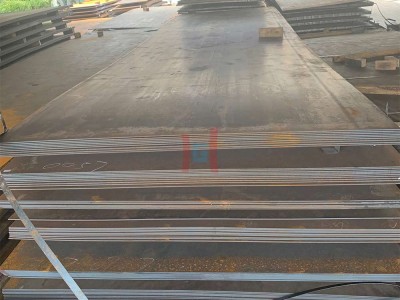
Heat-Treated Wear-Resistant Steel Plate
- Produced by quenching and hardening low-alloy steel during rolling or heat treatment.
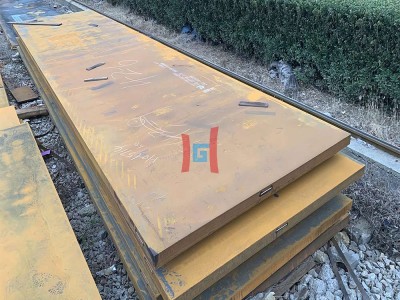
- Also known as quenched and tempered steel plate, such as NM 450 and AR 450.
- Hardness: HB360-550.
2. Wear Resistance
Wear-Resistant Composite Steel Plate
- Contains a high-alloy wear layer with embedded high-hardness carbides (HV1600).
- Carbides provide superior wear resistance, similar to cemented carbide.
- The base plate does not contribute to wear resistance but provides structural support.
Heat-Treated Wear-Resistant Steel Plate
- Entire plate is quenched and hardened, ensuring uniform wear resistance.
- Primary structure consists of martensite, enhancing overall hardness and strength.
- Microhardness and macrohardness remain consistent.
3. Temperature Resistance
Wear-Resistant Composite Steel Plate
- Retains hardness up to 650℃ due to secondary hardening effects.
Heat-Treated Wear-Resistant Steel Plate
- Hardness decreases above 250℃ due to annealing, reducing wear resistance.
- Heat-affected zones from cutting and welding also lose hardness.
4. Machinability
Wear-Resistant Composite Steel Plate
- Limited to plasma cutting.
- Poor bending performance.
- High-alloy cladding layer cannot be machined; welding is possible only on the base plate.
Heat-Treated Wear-Resistant Steel Plate
- Compatible with all cutting methods.
- Good bending and forming capabilities.
- Can be machined and welded under specific conditions.
Conclusion
Both wear-resistant composite steel plates and heat-treated wear-resistant steel plates have distinct advantages. High Chromium Bimetal Cladding Plates offer superior wear resistance for applications requiring extreme durability, while heat-treated wear-resistant steel plates, such as NM 450 and AR 450, provide uniform hardness and easier machinability.
Choosing the right plate depends on the specific application requirements, such as temperature resistance, wear type, and machining needs. As a trusted wear-resistant steel supplier, our China wear-resistant steel factory provides top-quality wear-resistant steel plates customized for various industrial applications. Contact us today to learn more about our durable wear-resistant steel plates and customized solutions.