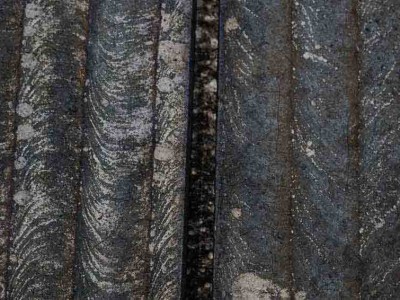
Why Does the Weld Overlay Layer Peel from the Base Material?
The weld overlay layer is a special alloy layer applied to repair worn or cracked surfaces. It is commonly used in machinery manufacturing and repair. However, if the welding process is not handled correctly, the overlay may not bond well to the base material. This can cause the surface to peel.
Below are the main causes of this issue and the recommended solutions.
1. Incorrect Material Selection
-
Cause: Inappropriate choice of materials.
-
Solution: Suitable primer and transition materials should be selected.
2. Excessive Hard Layer Thickness
-
Cause: A thick hard layer leads to poor impact resistance.
-
Solution: The thickness of the hard layer should be reduced, or impact-resistant materials should be used.
3. High Residual Welding Stress
-
Cause: Excess stress remains in the weld area after welding.
-
Solution: Use preheating, slow cooling, tempering, or multi-step stress relief to reduce stress.
4. Workpiece Stress Exceeds Bond Strength
-
Cause: During use, the peak stress on the workpiece is too high.
-
Solution: The bonding hardness should be increased and the peak stress should be reduced.
5. Poor Welding Process
-
Cause: Improper welding process can lead to loss of hardness in the overlay.
-
Solution: The welding method should be improved to maintain the quality of the weld.
Summary
Weld overlay is a cost-effective and efficient method for surface repair. It is widely used in many industries. To ensure the cladding layer works well, the method should:
-
Minimize base material dilution
-
Ensure high deposition efficiency
-
Produce a durable and well-bonded overlay
High-quality and low-dilution cladding techniques are strongly recommended.
Form: Weld Overlay Peeling – Causes and Solutions
| Problem | Cause | Solution |
|---|---|---|
| Weak bonding to base material | Wrong material selection | Use proper primer and transition materials |
| Surface peeling due to impact | Hard layer too thick | Reduce layer thickness or use impact-resistant materials |
| Cracking or peeling from stress | Excessive welding residual stress | Apply preheat, slow cooling, and tempering |
| Peeling under use conditions | Peak working stress too high | Increase bonding hardness and reduce work stress |
| Loss of weld hardness | Incorrect welding process | Improve the welding technique |