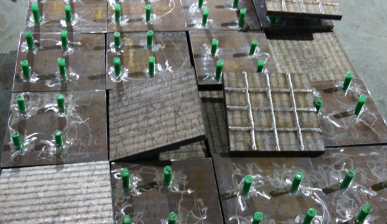
Surfacing Wear-Resistant Plate: Multifunctional Applications for Whole Plates, Liners, and Intermediate Grooves
Surfacing Wear-Resistant Plate: Multifunctional Applications for Whole Plates, Liners, and Intermediate Grooves
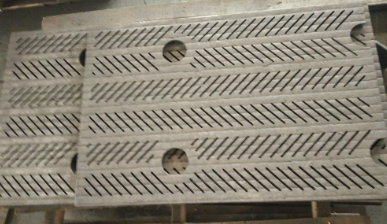
Surfacing wear-resistant plates are versatile materials that play a critical role in various industries. Known for their unique welding process and superior wear resistance, these plates are ideal for parts like whole plates, liners, and intermediate grooves. They can withstand heavy loads, impacts, and long-term use, ensuring stable equipment operation and prolonged service life.
Wear-Resistant Plates for Whole Plates, Liners, and Intermediate Grooves
In industrial applications, parts such as whole plates, liners, and intermediate grooves face extreme wear due to heavy loads and continuous work. These conditions demand materials with exceptional wear resistance. Surfacing wear-resistant plates meet these needs by offering a combination of durability and functionality.
By applying surfacing wear-resistant plates, the wear resistance of key components can be significantly enhanced. This ensures stable equipment operation and extends the service life of machinery.
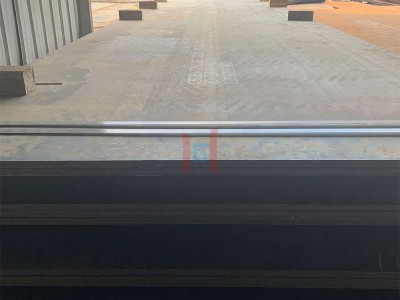
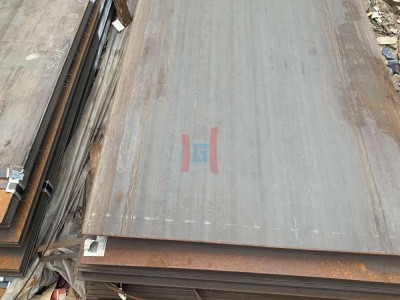
ARTEMIK Wear-Resistant Plates are made using self-protected open arc surfacing technology. This process deposits a wear-resistant alloy onto low-carbon or low-alloy steel, achieving metallurgical bonding and improving wear resistance. These plates outperform traditional quenched and tempered steel, alloy cast iron, and other materials, offering:
- 12 times the wear resistance of carbon steel
- 8 times the wear resistance of high manganese steel
- 6 times the wear resistance of alloy steel
- 5 times the wear resistance of modulated wear-resistant steel
Additionally, these plates have excellent processability and weldability. They can be easily rolled into various shapes and processed by plasma cutting. Their base material offers good ductility, while the wear-resistant layer provides excellent impact resistance. The plates can also be connected using various methods, such as studs, countersunk holes, and plug welding.
Key Features of Wear-Resistant Plates
- Hardness Range: 55-62 HRC, adjustable based on customer needs
- Applications: Ports, docks, steel, cement, coal, mining, power generation, petroleum, chemicals, and dredging pipelines
- Standard Sizes:
- Length and Width: Customizable to customer needs
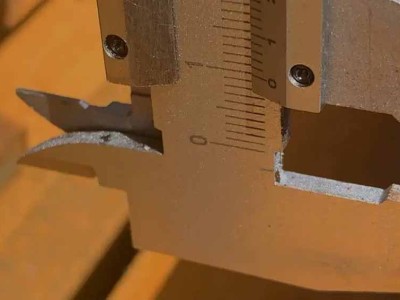
- Thickness: Varies based on base material and hard surface layer. Available thickness options include:
- 2+3 mm, 3+3 mm, 5+3 mm, 4+4 mm, 6+5 mm, 8+5 mm
- 6+6 mm, 8+6 mm, 8+8 mm, 10+10 mm, 12+12 mm, 12+20 mm, 12+25 mm
Customized sizes and on-site measurement options are also available.
Surfacing for Wear-Resistant Intermediate Grooves
Wear-resistant plates are also used to enhance the performance of intermediate grooves in industrial applications. Through a special surfacing process, these grooves gain improved wear resistance, which contributes to longer service life and greater efficiency in industries like ports, steel production, and cement.
Benefits of Surfacing for Intermediate Grooves:
- Improved Wear Resistance: The surfacing weld introduces an alloy layer that changes the wear mode, protecting the intermediate groove from direct contact wear and significantly extending its lifespan.
- Reduced Friction: The surfacing layer lowers the friction coefficient, reducing resistance during operation. Coal powder retained between layers acts as a lubricant, further reducing resistance, saving power, and extending groove life.
- Increased Accuracy: The use of fixtures for precise positioning ensures high alignment and stability between workpieces. This leads to accurate heat distribution during welding, preventing potential deformation issues.
- Flexible Material Selection: The surfacing technology allows for flexible filling material selection and thickness control, tailored to specific design needs.
Conclusion
Surfacing wear-resistant plates offer a versatile and durable solution for industrial applications. Their unique welding process and superior wear resistance make them ideal for components that face heavy wear, such as whole plates, liners, and intermediate grooves. By improving wear resistance, reducing friction, and enhancing component longevity, these plates help ensure the stable and efficient operation of industrial equipment.
Whether used in mining, construction, energy, or other industries, surfacing wear-resistant plates provide long-lasting, cost-effective protection against wear and tear.