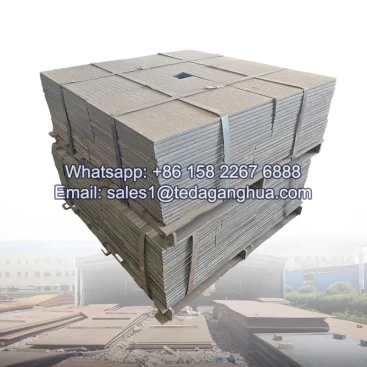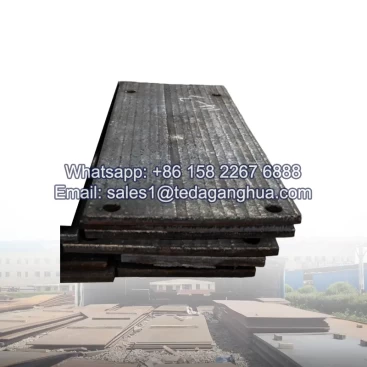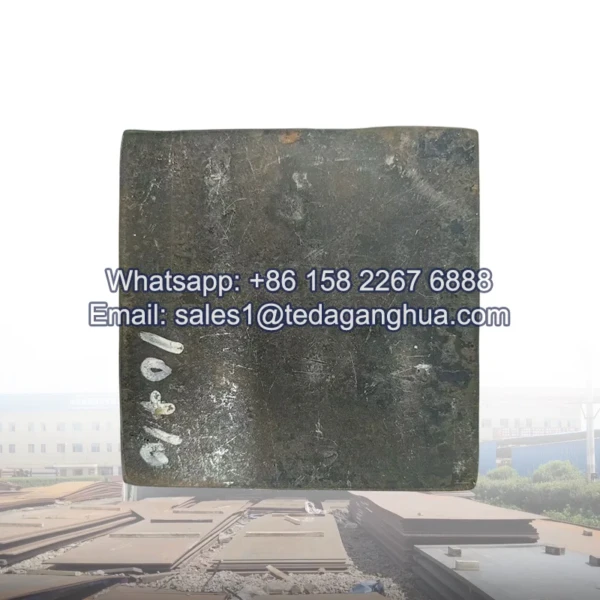
Cco Wear Plate

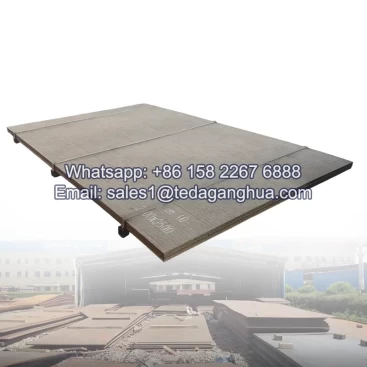
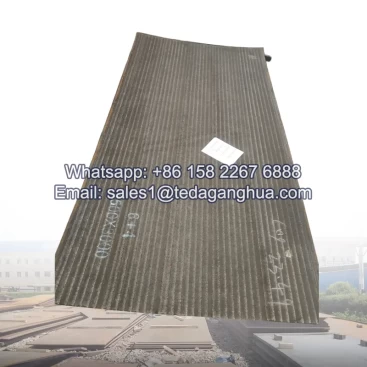
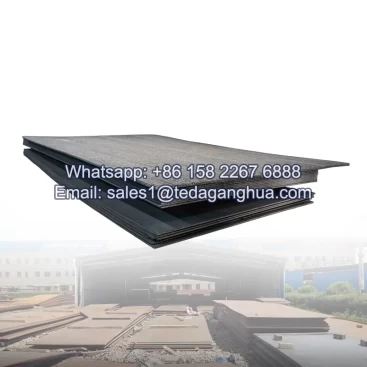
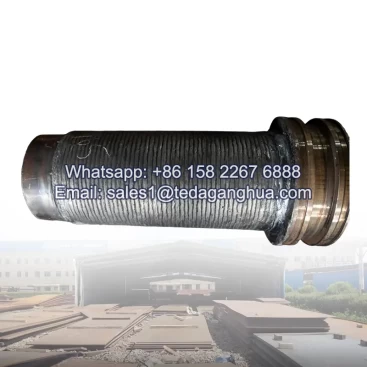
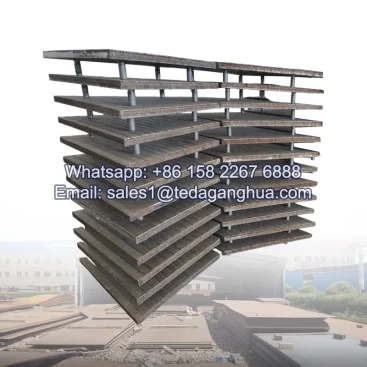
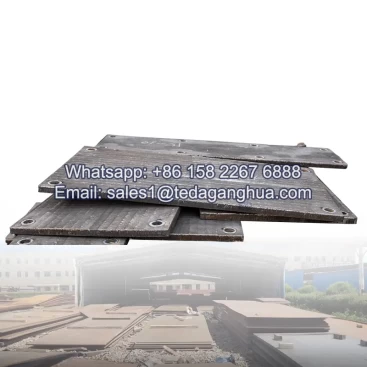
CCO Wear Plate is called a weld overlay plate because its wear-resistant surface is created by welding a hard alloy layer onto a steel base plate. This manufacturing process, known as hardfacing, forms a strong metallurgical bond and produces a high-chromium carbide surface layer.
- Description
CCO Wear Plate (Chromium Carbide Overlay Wear Plate) is a highly wear-resistant steel product widely used in mining, cement, power plants, and heavy industrial equipment. It is commonly called a “weld overlay plate” or “hardfacing wear plate” because its surface is formed by a welding deposition process rather than rolling or casting.
The name directly reflects its manufacturing method and structure.
Why It Is Called a Weld Overlay Plate
The term “weld overlay” comes from the way the wear-resistant layer is created.
Unlike traditional steel plates that are produced by rolling, CCO wear plate is made by:
- Depositing a hard alloy layer onto a steel base
- Using welding technology to fuse the materials
- Creating a metallurgical bond between layers
This “overlay” layer is what gives the plate its extreme wear resistance.
So, it is called a weld overlay plate because the surface is literally “welded on” rather than formed as a single solid piece.
Manufacturing Process of CCO Wear Plate
The production of CCO wear plate involves several controlled steps to ensure strong bonding and high wear resistance.
1. Base Plate Preparation
A mild steel or low-carbon steel plate is selected as the base material.
Functions of base plate:
- Provides structural strength
- Absorbs impact loads
- Supports machining and installation
The surface is cleaned to remove oil, rust, and impurities before welding.
2. Hardfacing Welding Process
The core step is the deposition of a wear-resistant alloy layer.
Common welding methods include:
- Open arc welding
- Submerged arc welding
- Flux-cored arc welding
During this process, a high-chromium alloy wire or powder is melted and deposited onto the base plate.
3. Formation of Carbide Overlay Layer
As the molten alloy cools, it forms a hard microstructure:
- Chromium carbide particles (extremely hard phase)
- Iron-based metallic matrix
- Strong metallurgical bonding with base steel
This structure provides excellent wear resistance.
4. Multi-Layer Deposition (if required)
For higher wear resistance, multiple welding layers may be applied:
- First layer: bonding and transition layer
- Second layer: main wear-resistant layer
- Additional layers: enhanced hardness and thickness
5. Cooling and Finishing
After welding, the plate is cooled and processed:
- Stress relief and stabilization
- Surface inspection for cracks or defects
- Straightening and leveling
- Cutting into required sizes
Key Features of the Manufacturing Process
The weld overlay process gives CCO wear plate several advantages:
- Strong metallurgical bonding between layers
- Extremely hard wear-resistant surface
- Tough and impact-resistant base support
- Adjustable thickness of overlay layer
- Suitable for extreme abrasion environments