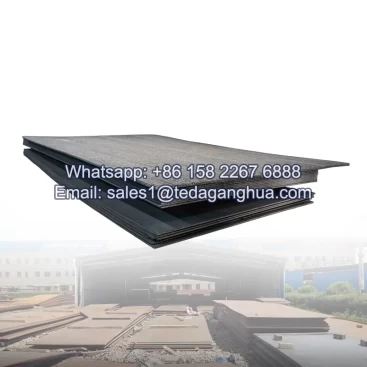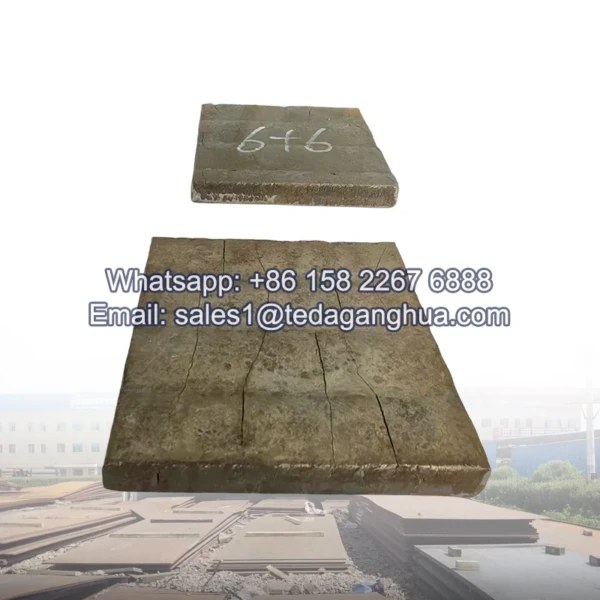
Chromium Carbide Plate


Chromium Carbide Plates require specialized processing techniques due to their dual-layer structure of hard wear-resistant overlay and tough steel base. Cutting, welding, and fabrication methods must be carefully selected to avoid damage to the carbide layer. When properly processed, CCO plates provide excellent wear resistance and long service life in demanding industrial environments such as mining, cement, and bulk material handling systems.
- Description
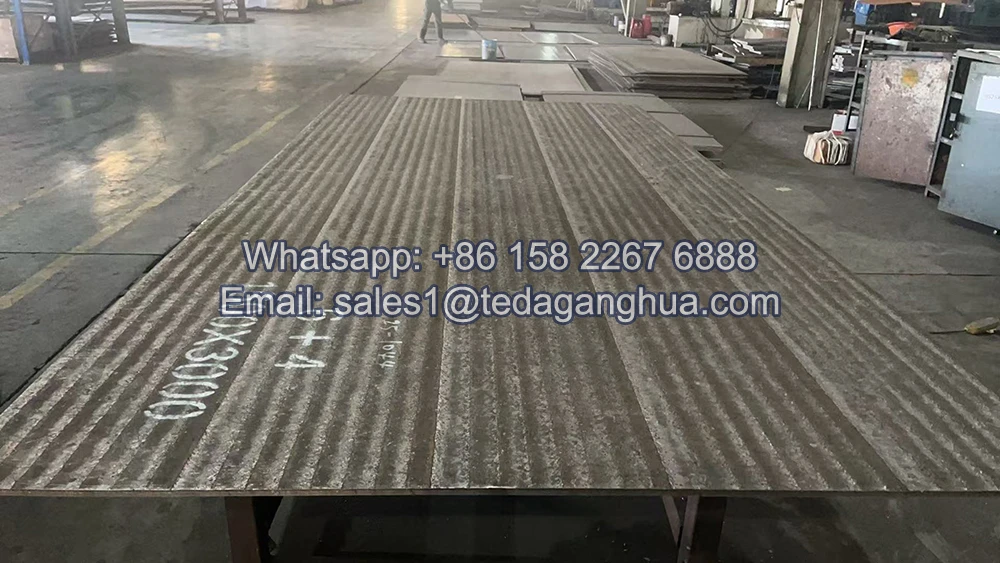
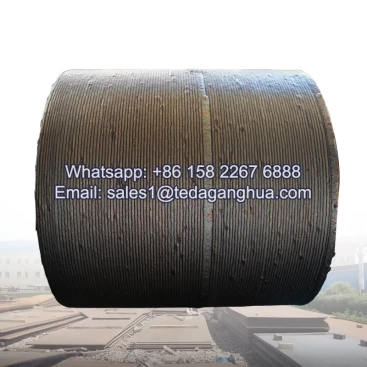
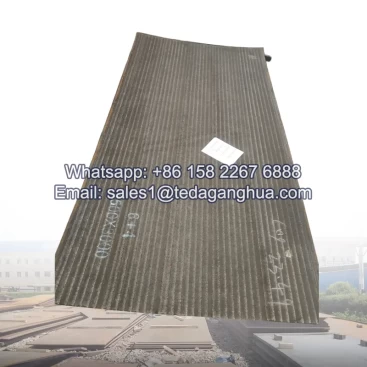
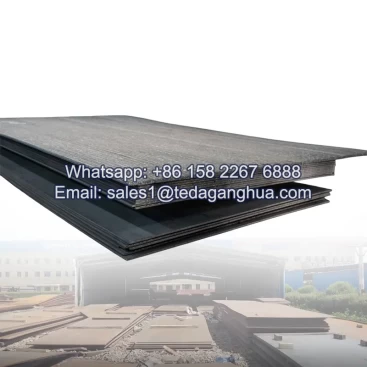
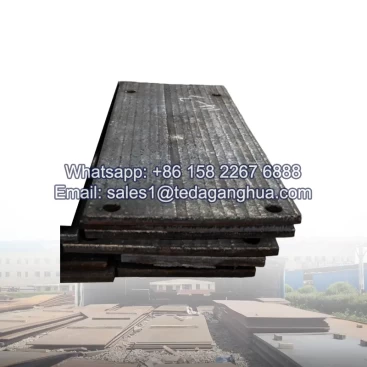
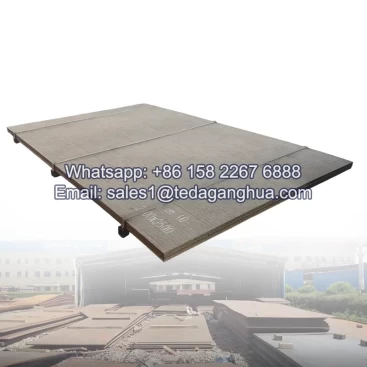
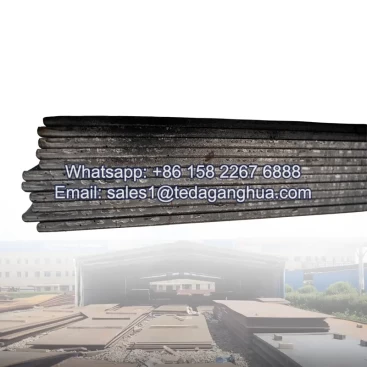
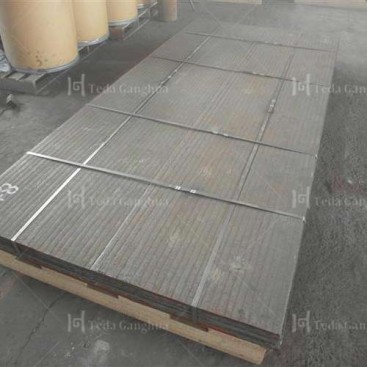
Chromium Carbide Plate (CCO Plate) is a wear-resistant composite steel plate produced by welding a high-chromium carbide alloy layer onto a mild steel base plate. Due to its extremely hard surface layer and strong wear resistance, it is widely used in mining, cement, power generation, and bulk material handling industries.
Because of its bimetallic structure (hard overlay + tough base steel), special processing methods are required during fabrication.
Common Processing Characteristics
Chromium Carbide Plates have two distinct layers:
- Hard overlay layer: Extremely high hardness (55–65 HRC)
- Base steel layer: Good toughness and structural support
This structure directly affects cutting, welding, forming, and installation processes.
Cutting Methods
Plasma Cutting
Plasma cutting is the most commonly used method for CCO plates.
- Suitable for thick plates
- Fast cutting speed
- Good efficiency for industrial production
- Slight edge hardening may occur
Carbon Arc Cutting
- Used for heavy-duty cutting
- Effective for thick or large plates
- Requires post-processing of edges
Abrasive Waterjet Cutting
- No heat affected zone
- Preserves coating integrity
- High precision cutting
- Suitable for complex shapes
Laser Cutting (Limited Use)
- Suitable for thin overlay plates
- High precision
- Not commonly used for thick wear plates due to high hardness layer
Welding Process
Welding Chromium Carbide Plates requires careful control due to the hardness difference between layers.
Common Welding Methods
- Shielded Metal Arc Welding (SMAW)
- Flux-Cored Arc Welding (FCAW)
- Metal Inert Gas Welding (MIG)
Welding Considerations
- Preheating may be required depending on base steel thickness
- Low-hydrogen electrodes are recommended
- Avoid welding directly on the overlay layer when possible
- Focus welding on base steel for structural joints
Bending and Forming
Chromium Carbide Plates have limited formability due to the hard surface layer.
Key Points
- Small-angle bending is possible under controlled conditions
- Large deformation is not recommended
- Rolling is generally restricted
- Cracking risk increases with tighter bending radius
Recommended Practice
- Bend from base steel side when possible
- Use larger bending radii
- Preheat in some applications to reduce stress
Drilling and Machining
Due to extreme surface hardness, machining is challenging.
Drilling Methods
- Carbide-tipped drill bits required
- Low speed and high torque recommended
- Cooling lubrication needed
Machining Notes
- Overlay layer is difficult to machine
- Grinding is often used instead of cutting tools
- Holes are preferably pre-designed before overlay production
Surface Grinding
Grinding is used for finishing or dimensional adjustment.
- Diamond grinding wheels recommended
- Used for surface leveling
- Helps remove minor surface irregularities
- Must be performed carefully to avoid overheating
Assembly and Installation
Chromium Carbide Plates are typically installed using:
- Bolt fastening systems
- Welding to base steel structures
- Mechanical clamping systems
Proper installation ensures:
- Resistance to vibration
- Long service life
- Stable wear performance
Fabrication Limitations
Due to the hard overlay structure:
- Not suitable for deep forming processes
- Not ideal for tight-radius bending
- Requires specialized tools for machining
- Heat input must be strictly controlled during welding