Work Hardened Wear Steel: Benefits, Applications, and Key Differences
What is Work Hardening and Its Role in Wear Steel?
Introduction to Work Hardened Wear Steel
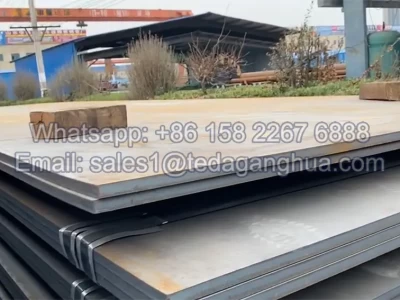
Work hardened wear steel becomes harder and more wear-resistant when subjected to mechanical stress. This process improves its durability, making it ideal for high-impact applications such as mining equipment and construction machinery. As a reliable wear resistant steel, it is also commonly used in wear plate steel applications.
Applications of Work Hardened Wear Steel
Work hardened steel is commonly used in areas requiring both strength and flexibility, including:
- Mining Equipment: Crusher jaws, hammers, grinding mills
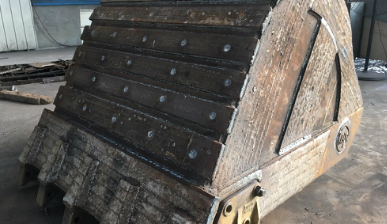
- Construction Machinery: Excavator buckets, bulldozer blades, wear plates
- Railway: Track components, crossings
- Agricultural Equipment: Plowshares, tillage tools
Work Hardened vs. AR Steel
Understanding the differences between work hardened and abrasion resistant (AR) steel helps optimize material use. Here’s a breakdown:
-
Composition and Process: Work hardened steel becomes stronger through mechanical stress, often made from high manganese steel. Wear resistant steel like AR steel is designed with high carbon and alloy elements like chromium and nickel, and is heat-treated for hardness.
-
Application and Performance: Work hardened steel excels in high-impact scenarios, like crusher jaws and excavator buckets, where deformation increases hardness. AR steel is perfect for environments with constant abrasion, such as dump truck liners, without needing deformation.
Benefits of Work Hardened Wear Steel
Work hardened steel offers several advantages over traditional AR steels, especially in high-impact and abrasive environments:
- Increased Durability: Exposure to impact and abrasion increases surface hardness, while the core remains tough and ductile, making it highly resistant to wear and deformation.
- Improved Wear Resistance: Each impact makes the steel harder, enhancing its performance and lifespan.
- Cost-Effectiveness: While the initial cost may be higher, the steel’s extended life and reduced downtime result in long-term savings.
- High Toughness: Despite its hardness, the steel absorbs energy impacts without cracking.
- Self-Healing: As the steel undergoes deformation, its surface hardness increases, extending its life.
- Ease of Fabrication: It can still be machined, welded, and fabricated using standard techniques, making it easy to work with during production.
Conclusion
Work hardened wear resistant steel is a versatile and durable material ideal for high-impact, abrasive environments. As a trusted wear steel supplier, we offer high-quality wear plate steel products. For more information and a quote on wear-resistant steel, contact us today.