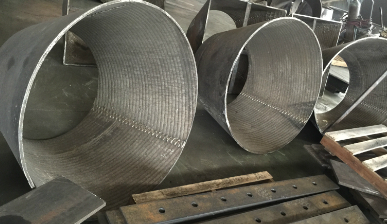

Differences Between Wear-Resistant Steel Plates and Wear-Resistant Composite Steel Plates

Material Composition
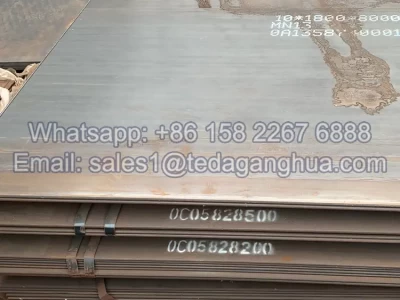
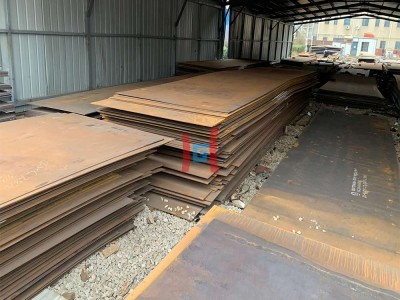
- Wear-Resistant Steel Plate: Made of high manganese steel and high chromium cast iron, offering high hardness and wear resistance.
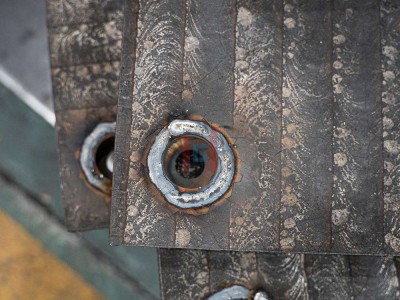
- Wear-Resistant Composite Steel Plate: Consists of a wear-resistant layer and a base plate. The wear-resistant layer, usually made of chromium carbide and carbide, provides superior durability and impact resistance.
Applications
- Wear-Resistant Steel Plate: Used in crushers, coal mills, and other high-wear equipment.
- Wear-Resistant Composite Steel Plate: Applied in construction, machinery, chemical, and power industries for chutes, silos, pipelines, and pump casings.
Manufacturing Process
- Wear-Resistant Steel Plate: Strengthened through heat treatment and surface hardening.
- Wear-Resistant Composite Steel Plate: Manufactured using surfacing, brazing, and explosion welding to bond the wear-resistant layer to the base plate.
Choosing the Right Material
- High-Intensity Wear: Wear-resistant composite steel plates are preferred for greater durability and impact resistance.
- Medium-Intensity Wear: Wear-resistant steel plates are chosen for cost-effectiveness and ease of processing.