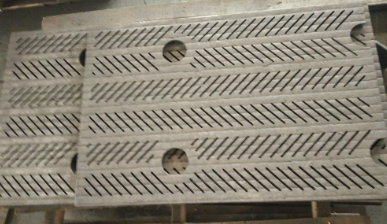
Customer repurchased wear-resistant plates


Wear-Resistant Composite Steel Plate: An Advanced Solution Introduction In industrial manufacturing, wear on mechanical parts is a leading cause of equipment failure.... read more
Differences Between Imported and Domestic Wear-Resistant Steel Wear-Resistant Steel Material Properties Strength: Imported Steel: Higher surface hardness, reaching 500-600 HBW. Domestic... read more
Wear-Resistant Steel Plates: NM400, NM450, NM500, NM600 / AR400, AR450, AR500, AR600 Our wear-resistant steel plates (NM400, NM450, NM500, NM600 /... read more
Performance Analysis Chemical Composition The wear resistance of cladding composite plates is achieved through a low-carbon steel substrate layered with a chromium... read more
Introduction High-strength wear-resistant steel is created by adding alloying elements that enhance the material's structure through solid solution strengthening, grain boundary... read more
The Benefits of Wholesale Wear-Resistant Steel Plates: NM360, NM400, NM450, NM500, NM550, NM600 Composite Plates Wear-resistant steel plates play a crucial... read more
Why High Manganese Steel Plates Are Non-Magnetic High manganese steel plates are a fascinating material widely used in industries that demand... read more
Overview A high-carbon high-chromium cladding wear-resistant plate is produced by coating wear-resistant material onto a carbon steel substrate. The cladding layer... read more
There is a high demand for wear-resistant steel, driven by its widespread use in industries where materials are exposed to... read more
ASTM standards are used to define the manufacturing process and chemical composition of materials such as pipes, fittings, and flanges.... read more