
Wear Plate Steel – Comprehensive Guide to Types
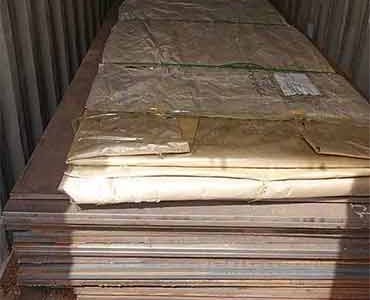
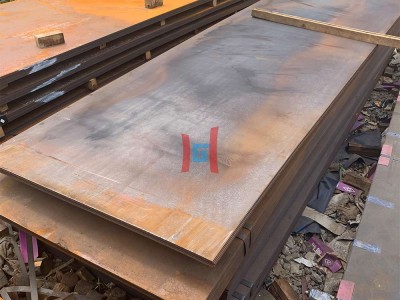
Wear plate steel refers to a category of abrasion‑resistant steels engineered to withstand wear, impact, and friction in demanding industrial applications such as mining, construction, material handling, and heavy machinery. These steels help extend equipment life, reduce maintenance, and improve operational efficiency.
What is Wear Plate Steel?
Wear plate steel is designed with specific chemical compositions and microstructures to resist various forms of wear, especially abrasive, sliding, and impact wear. Common applications include liners for hoppers, chutes, buckets, crushers, conveyors, and other heavy-duty machinery components.
 Main Types of Wear‑Resistant Steel Plate
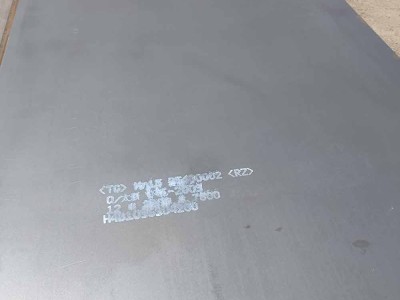
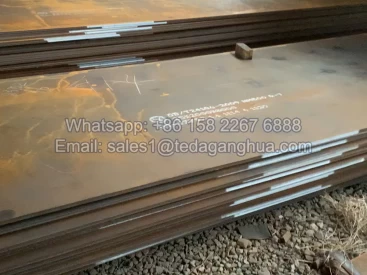
1. Through‑Hardening Wear Plate (AR / NM Series)
These steels are uniform in hardness and strength throughout the entire thickness, offering excellent abrasion resistance in general industrial conditions.
Key Features:
-
High hardness and moderate toughness
-
Suitable for moderate abrasion and impact
-
Commonly used in dump truck beds, loader blades, and excavator parts
-
Higher grades provide improved wear resistance in more severe environments
2. High Manganese Steel Plate
High manganese steel contains high levels of manganese (typically 11–14%), providing exceptional toughness. Its wear resistance increases during use due to work hardening, which makes it ideal for heavy-impact applications.
Advantages:
-
Outstanding impact resistance
-
Hardens during operation under stress or deformation
-
Suitable for crusher parts, bucket teeth, and heavy-impact zones
Limitations:
-
Machining and forming can be challenging due to work hardening
3. Overlay / Hardfaced Wear Plates
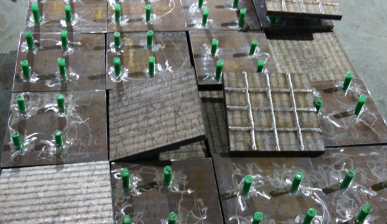
Overlay wear plates consist of a hard alloy layer welded to a steel backing plate, forming a surface with extreme abrasion resistance. This type is sometimes called chromium carbide overlay or bimetallic wear plate.
Overlay Materials Include:
-
Chromium Carbide Overlay: High resistance to sliding wear
-
Tungsten Carbide Overlay: Suitable for extremely abrasive conditions
-
Bimetallic Wear Plate: Combines a tough steel base with a hard surface
These plates are preferred in environments where sliding abrasion dominates, significantly increasing service life compared to conventional wear steels.
4. Welded / Hardfacing Wear Plates
Welded hardfacing plates have multiple layers of high-alloy weld deposits on a steel substrate. The overlay contains hard phases such as chromium carbides or other wear-resistant alloys.
Benefits:
-
Wear performance is significantly higher than plain steel
-
Good balance of toughness and abrasion resistance
-
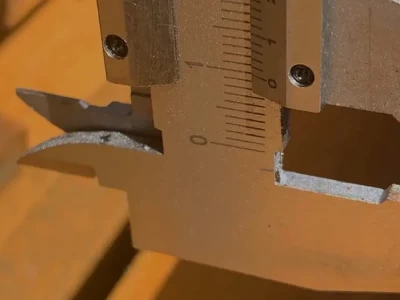
Can be customized in thickness and hardfacing pattern according to specific wear zones

Wear Plate Steel Comparison Table
| Type of Wear Plate | Hardness | Main Wear Mechanism | Typical Applications | Key Advantages |
|---|---|---|---|---|
| Through‑Hardening (AR / NM) | ~360–550 HB | General abrasion | Earthmoving equipment, blades, buckets | Balanced hardness and toughness |
| High Manganese Steel | Work‑hardened | Impact + abrasion | Crushers, heavy-impact areas | Exceptional impact resistance |
| Chromium Carbide Overlay | ~55‑62 HRC | Sliding abrasion | Hoppers, chutes, liners | Superior sliding wear resistance |
| Tungsten Carbide Overlay | ~60+ HRC | Severe abrasion | Kilns, heavy-duty crushers | Extremely high abrasion resistance |
| Welded Hardfacing Plates | Varies | Abrasion + moderate impact | Custom wear parts | Customizable wear surface, high durability |
(Hardness and performance depend on specific alloy composition and heat treatment.)
How to Choose the Right Wear Plate Steel
Selecting the proper wear plate steel depends on the type of wear:
-
Abrasive sliding wear: overlay or chromium carbide plates are preferred
-
Impact plus abrasion: high manganese steel performs best
-
General abrasion with occasional impact: through‑hardening plates are cost-effective
-
Custom shapes or complex wear zones: welded hardfacing plates offer flexibility
Conclusion
Wear plate steel is essential for industrial machinery operating under severe wear and impact conditions. Understanding the differences between through‑hardening steel, high manganese steel, overlay plates, and welded hardfacing plates allows engineers to select the right material, ensuring maximum durability and operational efficiency.