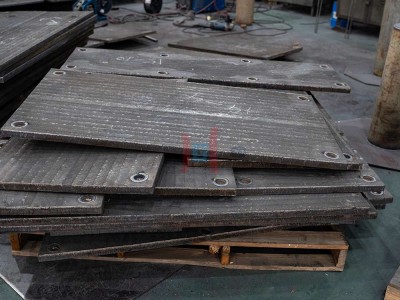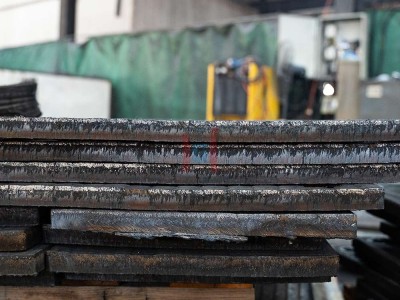
Tag - Wear-Resistant Steel Plates

Laser Cutting Machine for Wear-Resistant Steel Plates

Introduction Laser cutting machines are used more and more in modern manufacturing. These machines are known for their precision, speed, and efficiency. In this article, the basic working method, key advantages, and main uses of laser cutting—especially for wear-resistant composite steel plates—will be explained. 1. How It Works Laser cutting works by using...
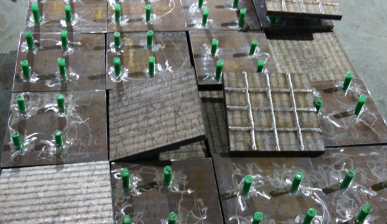
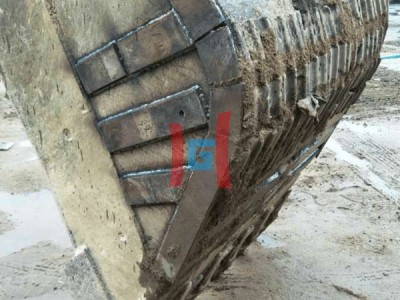
Main Uses of Wear-Resistant Steel Plates

Wear-resistant steel plates are used in industries that involve heavy impact, abrasion, and harsh environments. These industries include mining, construction, metallurgy, and power generation. 1. Mining Dump Trucks The truck frame is made using low-alloy, high-strength steel. A closed box structure is used for the main beam to improve strength. The carriage floor is...

Wear-Resistant Steel Plates for Heavy Wear Conditions

Wear-Resistant Steel Plates Overview Wear-resistant steel plates are used where heavy wear and damage often occur. These plates are made with a strong base and a durable surface layer. Composition and Structure Wear-resistant plates are made from two layers: Base Layer (Cold-Rolled Steel Plate):Used for strength and bending resistance. Surface Layer (Aluminum Alloy):Provides high wear resistance. 🔹...

How to Cut, Punch, and Weld Composite Wear-Resistant Steel Plates

Composite wear-resistant steel plates require specific methods for cutting, punching, and welding. The recommended techniques are listed below. Cutting Plasma Cutting: The alloy surface should be cut first using air or inert gas plasma. Carbon Arc Cutting: Cutting should begin from the substrate side. Grinding Wheel Saw: Straight-line cuts can be made using silicon...

Differences Between Wear-Resistant Steel Plates and Wear-Resistant Composite Steel Plates

Wear-resistant parts of cladding plates Material Composition Wear-Resistant Steel Plate: Made of high manganese steel and high chromium cast iron, offering high hardness and wear resistance. Wear-Resistant Composite Steel Plate: Consists of a wear-resistant layer and a base plate. The wear-resistant layer, usually made of chromium carbide and carbide, provides superior durability and...

What is High Chromium Bimetal Cladding Plate

Alloy Composition: Carbon: 5.0% Chromium: 27-30% Martensitic matrix with over 60% Cr7C3 type carbides. Hardness: Macroscopic hardness of alloy layer: HRC 57-65. Carbide hardness: HV 1400-1800. Wear Resistance: 20-25 times more wear-resistant than low carbon steel. 8-12 times more wear-resistant than stainless steel and high manganese steel. Over 1.5 times more wear-resistant than general high carbon high chromium wear-resistant steel...

Understanding the Importance of Flatness in Wear-Resistant Steel Plates

Wear plate details What Is Flatness in Steel? Flatness refers to the even and uniform surface of a steel plate, free from waviness, twists, or warping. It is essential in industries such as machinery manufacturing, construction, and automotive, where precision is required. This is particularly important for wear-resistant steel plates like AR...