

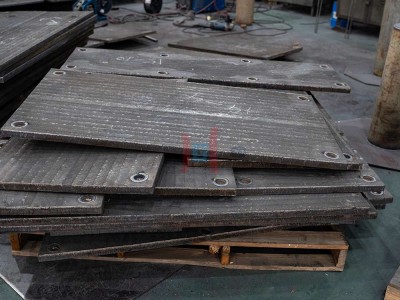
How to Cut, Punch, and Weld Composite Wear-Resistant Steel Plates
Composite wear-resistant steel plates require specific methods for cutting, punching, and welding. The recommended techniques are listed below.
Cutting
-
Plasma Cutting: The alloy surface should be cut first using air or inert gas plasma.
-
Carbon Arc Cutting: Cutting should begin from the substrate side.
-
Grinding Wheel Saw: Straight-line cuts can be made using silicon carbide saw blades.
Hole Cutting
-
Large Holes: Plasma cutting is recommended.
-
Small Holes: Electrical Discharge Machining (EDM) should be used.
-
Countersunk Holes: Plasma or carbon arc cutting is suitable for assembly bolts.
Welding
-
Base Material Welding: The base material of the plate can be welded easily. First, the back base material should be welded. Then, the front surfacing layer must be filled with a matching surfacing electrode.
-
Structural Welding: The plates can also be welded to other steel structures.
Plug Welding
-
Hole Creation: Plasma or carbon arc gouging should be used to create holes. Then, plug welding can be applied to connect the plate to other steel structures.
Bolt Fixing
-
Welding Bolts: Flash or melting welding should be used to attach bolts to the base material for connection.
-
Bolt Connection: Holes can also be created in the plate for bolt connections.
These methods ensure proper handling of composite wear-resistant steel plates for various industrial uses.
Teda Ganghua Metal – 17 Years of Expertise
Supplier of Steel Sheets and Plates
For high-quality products at reasonable prices, contact us with your specifications.
Share this post

Related Posts
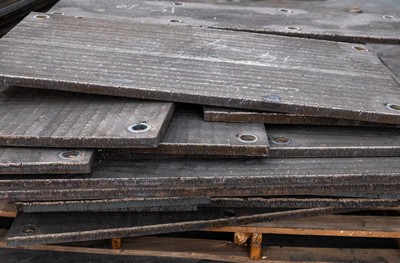
Chromium Carbide Wear Plate: Durable Overlay Plates & Steel Supplier
1. Overview Overlay welding is a process in which a material with specific properties is deposited on a weldment's surface. Rather... read more

Mn13 Steel: Characteristics, Applications, and Benefits
Mn13 is a high-manganese steel known for its exceptional wear resistance and toughness. With its unique properties, this alloy stands... read more

AR450 vs NM450 Steel Plate: A Detailed Comparison
AR450 vs NM450 Steel Plate: A Detailed Comparison When choosing the right type of steel for heavy-duty applications, AR450 and NM450... read more
Mn13 High Manganese Steel (Hadfield Steel): Work Hardening Mechanism, Wear Resistance & Industrial Applications
Mn13 high manganese steel (Hadfield steel) is widely known for its exceptional work-hardening capability under severe impact conditions. However, many... read more
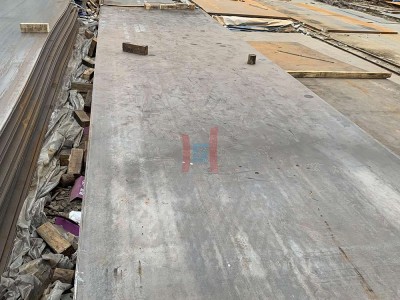
X120Mn12 Wear-Resistant Steel Plate
Overview: X120Mn12 (Mn13) is an ideal material for high-impact and high-stress wear applications. This steel has two key characteristics: it becomes... read more

What Is Wear-Resistant Steel?
Understanding Wear in Steel Wear occurs when steel surfaces rub against each other over time. It can be intentional or unintentional. ... read more
High Manganese Steel Cutting: Why Oxy-Acetylene Flame Cutting Is Not Recommended
High Manganese Steel Cutting Technology: Why Oxy-Acetylene Flame Cutting Is Not Recommended High manganese steel is widely used in mining, crushing,... read more
Steps for a Custom Fabrication Project
Steps for a Custom Fabrication Project Projects in the steel industry are rarely one-size-fits-all. At Teda Steel, we specialize in custom... read more
Huge demand for wear-resistant steel
There is a high demand for wear-resistant steel, driven by its widespread use in industries where materials are exposed to... read more
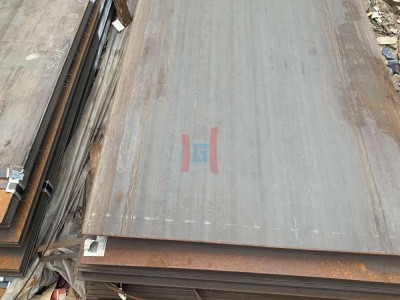
X120Mn12 Manganese Steel Tips
X120Mn12 Manganese Steel Overview Introduction to X120Mn12 Manganese SteelX120Mn12 manganese steel, also known as hard manganese steel or manganese hard steel,... read more