Tungsten Carbide Alloy Particle Cladding Process
Overview
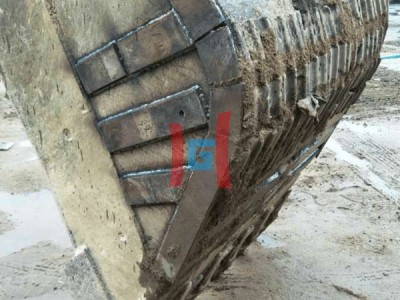
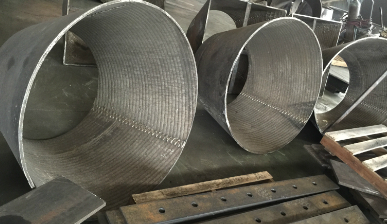
Originally, the cladding process was used to repair workpieces and extend their service life. With advancements, tungsten carbide alloy particle cladding has been adopted, especially the WC + MIG carbide particle cladding process, which provides effective surface protection.
In industrial applications, large tungsten carbide particles (40-60 mesh) can be successfully clad. Many manufacturers use mechanically crushed tungsten carbide, which reduces costs and ensures even distribution within the cladding layer. The process minimizes surface remelting and maintains a low diffusion rate of alloy elements, preventing brittleness in the composite layer.
Cladding Process Features
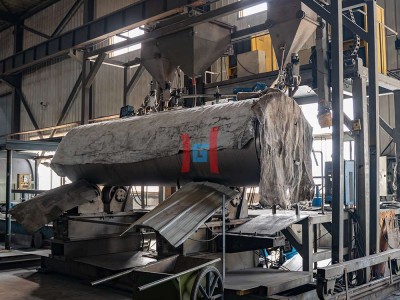
- High automation: The operation is automated and controlled within an equipment cabinet, ensuring safety.
- Strong wear and corrosion resistance: The finished layer offers durability in harsh environments.
Cladding Operation Steps
- Alloy Material Feeding
- Tungsten carbide (WC) particles are clad directly onto the workpiece surface using an automated feeder with welding wire.
- Uniform Cladding
- The particles remain on the surface rather than settling at the bottom.
- Even Dispersion
- Mechanized application ensures uniform particle distribution throughout the wear-resistant layer.
- As the material cools, wear resistance improves.
- Enhanced Performance
- The cladding improves both wear resistance and impact resistance of the workpiece.
- Practical Applications
- This process is cost-effective, maintains high quality, and offers aesthetic advantages.
- Testing confirms its reliability in extreme conditions with excellent impact wear resistance.
- Advantages Over Plasma Cladding
- This tungsten carbide cladding process offers specific benefits compared to plasma cladding.
Future Development
With ongoing process improvements, tungsten carbide wear-resistant cladding will continue to evolve. Further research and application will expand its capabilities and efficiency.