

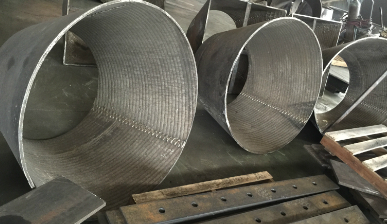
What Are Wear-Resistant Pipe Materials and How to Choose Them?
What Are Wear-Resistant Pipe Materials and How to Choose Them?
Pipes are often used to transport materials in industrial systems. They are like the blood vessels of factories. However, because materials flow through them, pipe walls can wear down over time. To prevent this, wear-resistant pipes are needed.
Different types of wear-resistant pipes are made from different materials. Each material works best under specific conditions. The main types of materials are explained below.
1. Metal Wear-Resistant Pipes
These pipes are usually made with high-chromium materials. They are used in harsh environments such as:
-
High-temperature fly ash pipelines
-
Tailings backfill systems
-
Coal washing plants
They are strong and reliable. However, they are heavy and costly.
Types Offered:
Beijing Naimer provides:
-
Cast bimetallic wear-resistant pipes
-
Cladding alloy wear-resistant pipes
These are the most common metal options.
2. Ceramic Wear-Resistant Pipes (KNM60)
These pipes are made from silicon carbide and alumina. They are used in high-precision industries, such as:
-
Lithium battery production
-
Silicon powder handling
-
Situations with severe wear
They resist wear well but are expensive and fragile.
Recommendation:
Beijing Naimer uses full ceramic pipes instead of ceramic pieces, as pieces may fall off easily.
3. Ultra-High Molecular Weight Polyethylene (UHMWPE) Pipes
These are plastic-based pipes used mainly for slurry transport.
Advantages:
-
Low cost
-
Good resistance to corrosion
Limitations:
-
Poor high-temperature resistance
-
Not suitable for large, dry particles
How to Choose the Right Material?
The pipe material should be selected based on actual working conditions. By choosing the right type, costs can be reduced and production can run smoothly.
Share this post

Related Posts

Chromium Carbide Cladding Plate vs. Ordinary Wear-Resistant Steel Plate
Wear-resistant plates are key to protecting equipment in tough industrial settings. Two common choices are chromium carbide cladding plates and... read more
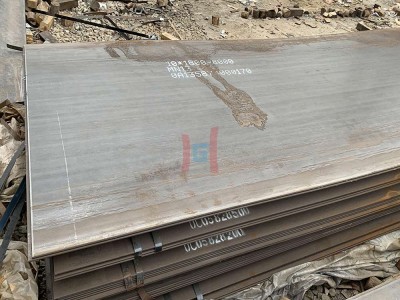
Properties and Advantages of Ultra-High Manganese Steel
Properties and Advantages of Ultra-High Manganese Steel Composition and Properties Ultra-high manganese steel is an advanced version of Mn13 steel, with increased... read more
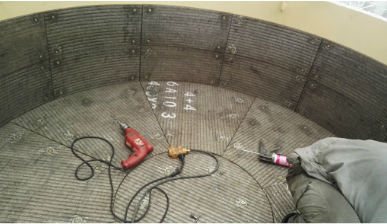
X120Mn12 Introduction
Product Basic Information: Chemical Composition: Grade C Si Mn P S Mn13 0.90-1.20 0.30-0.80 11.00-14.00 ≤0.035 ≤0.030 Mechanical Properties: Grade Tensile strength Elongation Impact performance 20 ° C Initial hardness value (HB) Hardness value after hardening (HB) Cold bend 180° Mn13 ≥800MPa ≥40% ak≥90(J) 200-250 >300 YES Similar steel... read more
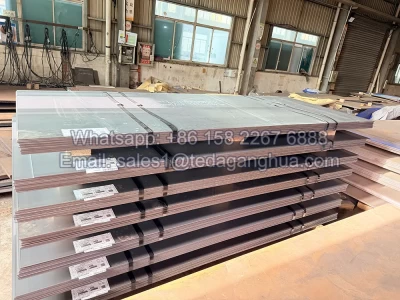
Wear Resistant Steel Grades: Identification & Abrasion Performance
Wear resistant steel (AR steel) is a type of high-strength alloy designed to withstand heavy wear, impact, and abrasion in... read more
Mn13 Steel Plate: Performance and Heat Treatment Process
Mn13 steel plate is a wear-resistant material known for its exceptional properties. Primarily composed of manganese, it also includes carbon,... read more
Performance of Composite Wear-Resistant Steel Plate
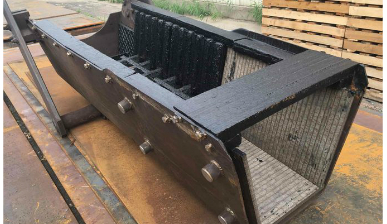
Performance of Composite Wear-Resistant Steel Plate This guide covers the performance aspects of composite wear-resistant steel plates. It aims to provide... read more
NM400 NM450 NM500 Steel Service Wear-Resistant Steel
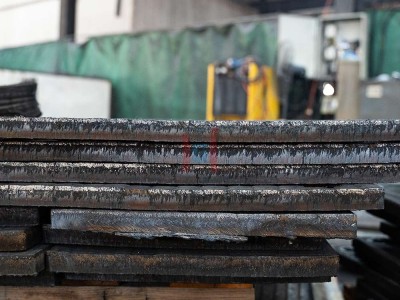
Service: SERVICE DESCRIPTION Cutting 1. Can be cut by plasma, laser, water jet, arc gouge, and abrasive saw cutting; 2. Cannot be cut by oxy-fuel. Welding 1.... read more

Application and Features of Wear-Resistant Steel
Application and Features of Wear-Resistant Steel Overview The NM series of quenched and tempered wear-resistant steel produced by Teda Metal Steel is... read more
How to Cut, Punch, and Weld Composite Wear-Resistant Steel Plates
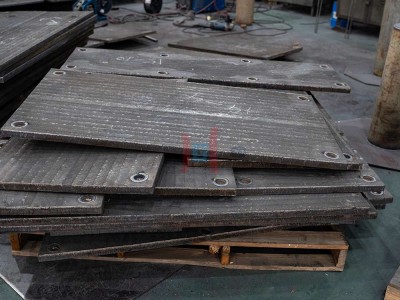
Composite wear-resistant steel plates require specific methods for cutting, punching, and welding. The recommended techniques are listed below. Cutting Plasma Cutting: The... read more

X120Mn12 Manganese Steel Plates: Overview and Applications
X120Mn12 Manganese Steel Plates: Overview and Applications X120Mn12 is a high manganese steel known for its toughness, strength, and resistance to... read more