Wear-Resistant Composite Steel Plate: Composition and Welding Process
Wear-Resistant Composite Steel Plate: Composition and Welding Process
Introduction
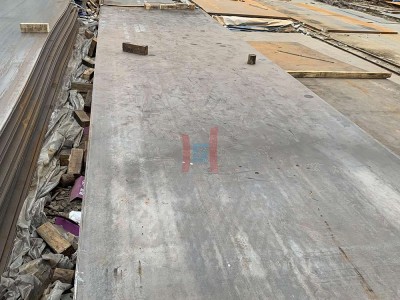
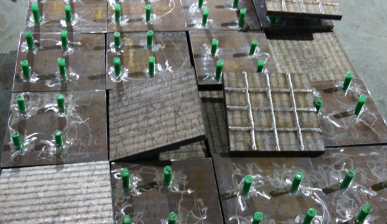
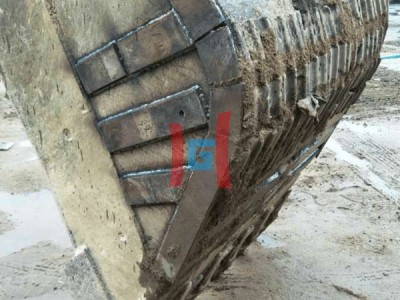
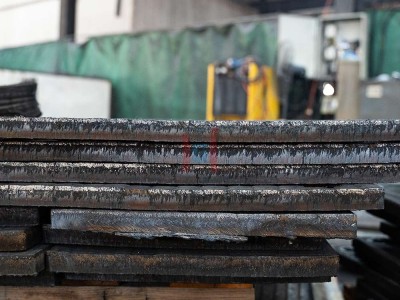
A wear-resistant composite steel plate is a bimetallic material. It is created by bonding a composite layer—made of stainless steel, nickel-based alloy, copper-based alloy, or titanium—to a base layer of pearlite steel. This bonding is achieved through methods like explosive welding, composite rolling, and surfacing.
Welding Requirements
When welding wear-resistant composite steel plates, it is essential to preserve the material’s original properties. To achieve this, the base layer and composite layer must be welded separately. The choice of welding materials and techniques depends on the specific materials used in both layers.
The junction between the base and composite layers involves dissimilar steel welding. Plates with an austenitic stainless steel composite layer and a pearlite steel base are the second most common type, followed by those with ferritic steel as the composite layer.
Performance Requirements
- Base Layer: Must provide the necessary strength and stiffness for the joint.
- Composite Layer: Should meet corrosion resistance and other performance criteria.
Welding Methods
Due to the variety of base and composite layer materials, several welding methods are used, including:
- Arc welding
- Submerged arc welding
- Tungsten inert gas (TIG) welding
- CO2 gas-shielded welding
- Plasma arc welding
Each method is chosen based on the material combination and required performance characteristics.
Teda Ganghua Metal -18years
Provide professional wear-resistant products
Wear-resistant Supplier
Bring detailed specifications to contact me if you need
We have high quality and reasonable prices