X120Mn12 Wear-Resistant Steel Plate
Overview:
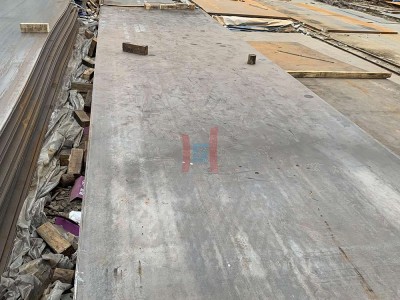
X120Mn12 (Mn13) is an ideal material for high-impact and high-stress wear applications. This steel has two key characteristics: it becomes more wear-resistant with increased external impact, and as its surface wears down, a new, denser laminated layer continuously forms, enhancing durability. The steel offers excellent resistance to both high-impact and heavy-stress abrasion, without risk of breaking during use. It is also easy to cut, weld, and bend, offering superior mechanical processing properties. Unlike high-chrome forgings, which only resist wear from moving abrasion, X120Mn12 provides broader resistance in various applications.
Applications:
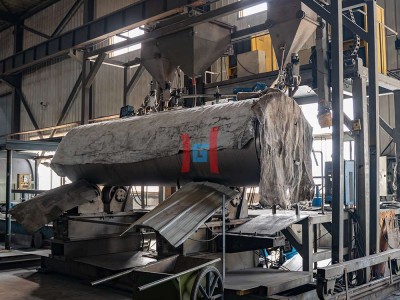
This steel is commonly used in wear-prone parts of machinery, helping to reduce equipment maintenance costs and increasing competitiveness by enhancing performance.
Key Features:
- 11-14% manganese content.
- Excellent work-hardening properties.
- Ideal for high-impact and gouging abrasion environments.
- Available in full plates or cut pieces.
- Non-magnetic and abrasion-resistant.
Forming:
X120Mn12 steel is ductile in its supplied form, making it easy to shape. To avoid cracking, edges that have been work-hardened by shearing should be chamfered 2-3mm before forming. For best results, forming should be done in a single operation to prevent additional work hardening.
Drilling:
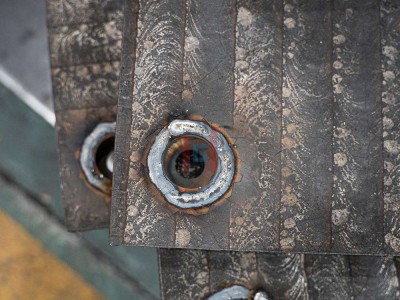
Drilling X120Mn12 is challenging due to its 11-14% manganese content, which causes rapid work hardening. Heavy-duty, rigid machinery is required. Use armor-piercing drills made from 8% cobalt high-speed steel, or drills with replaceable carbide inserts. Avoid center-punching or letting the drill rub against the surface without engagement, as this will further harden the material and complicate drilling.
Welding:
Welding should be performed with E308Mo-type austenitic stainless steel consumables. Due to the high manganese content, this steel has a high thermal expansion coefficient and low thermal conductivity. Welding should be done at low heat to prevent embrittlement caused by carbide precipitation, which can occur if the material is exposed to temperatures between 300°C and 800°C for prolonged periods.
Teda Ganghua Metal -18years
Provide professional wear-resistant products
Wear-resistant Supplier
Bring detailed specifications to contact me if you need
We have high quality and reasonable prices