What Are Wear Plates and Their Uses?
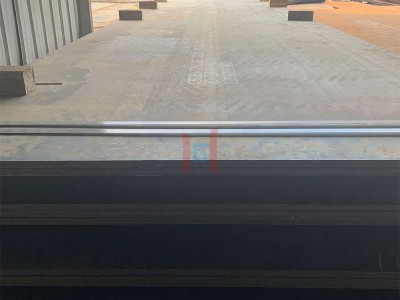
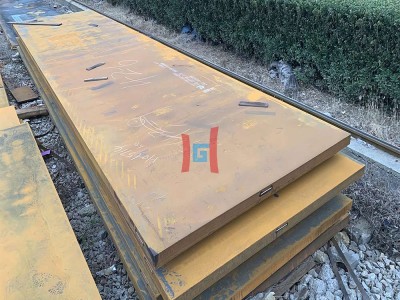
Wear plates are abrasion-resistant liners or plates designed to reduce wear and tear on surfaces exposed to intense abrasion and impact. These plates are essential in protecting industrial equipment from damage, extending their lifespan, and improving overall efficiency.
Composition and Benefits of Wear Plates
Wear plates are commonly made from a tough, wear-resistant alloy coating, backed by a shock-absorbing steel or chromium steel base. This combination of materials allows them to perform well under extreme conditions, making them ideal for heavy-duty applications in industries such as earthmoving, mining, and manufacturing.
The use of wear plates offers several key benefits:
- Reduced Replacement Costs: Instead of replacing expensive parts or entire machines, wear plates protect critical components.
- Lower Maintenance Costs: With wear plates in place, the frequency of maintenance is reduced.
- Minimized Downtime: Equipment stays operational for longer periods, improving productivity.
Common Applications of Wear Plates
Wear plates are used in a variety of machines and industries. Some common examples include:
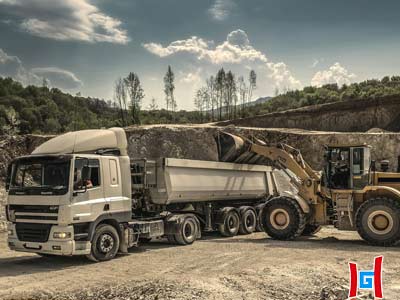
- Mobile Machines: Dump truck liners and other mobile machine components.
- Fixed Plant Equipment: Liners for chutes, screens, and deflector plates.
- High-Speed Equipment: Conveyor chutes, fan blades, and feeder bins.
- Pipes and Media Handling: Abrasive media pipes of various diameters.
- Bucket and Skid Plate Protection: Used for heavy-duty equipment like excavators and loaders.
The History of Wear Plates
The concept of wear plates dates back to the 18th century, during the Industrial Revolution. Initially, wear plates were manually produced, but as efficiency became more important, machine production replaced handcrafting. Instead of replacing entire machines, industries began to focus on protecting vulnerable parts with replaceable wear plates.
In the early 19th century, industrial machines, particularly in textile manufacturing, used basic wear plates. These plates were typically one-size-fits-all. However, with the expansion of machinery across industries like construction, quarrying, and mining, wear plates have evolved to offer more specialized solutions.
Choosing the Right Wear Plate
Not all wear plates are the same. Heavy, bulky plates might seem durable, but they can strain the entire system, leading to more maintenance and potential breakdowns. Lighter, thinner wear plates, on the other hand, offer ergonomic and aerodynamic advantages, improving the efficiency of both mobile and fixed plant machinery.
Regardless of the industry or operating conditions, selecting the right wear plate is crucial to maximizing equipment longevity and minimizing costs. The wear plate you choose can significantly impact the performance and durability of your machinery.
For more information on the different types of wear plates available, explore our detailed guide.