Types of Steel and the Benefits of Wear-Resistant Steel

Steel is an alloy made from iron and carbon, with varying carbon content that determines its properties. There are thousands of steel types, designed for specific uses under different working conditions. These types can be broadly categorized into four main groups.
1. Carbon Steels
Carbon steel is the most common type, making up 80-90% of global steel production. It contains less than 1% carbon, making it soft and easy to form. Carbon steel is used in everyday products like car bodies, ship hulls, and steel cans. If the carbon content exceeds 1%, the steel becomes harder but also more brittle, earning it the name “High Carbon Steel” or “Cast Iron.”
2. Alloy Steels
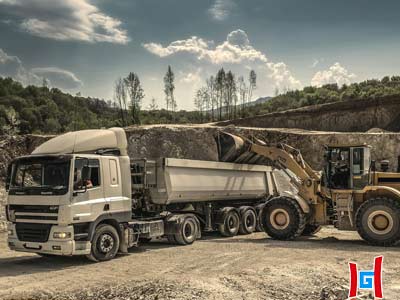
Alloy steels contain iron, carbon, and additional elements like copper, chromium, manganese, nickel, or vanadium. These alloys enhance the steel’s strength, hardness, toughness, and durability. Often subjected to heat treatment, alloy steels are used in applications such as mining equipment, armor plating, and truck liners.
3. Tool Steels
Tool steels are designed for making tools, dies, and machine parts. They contain iron, carbon, and alloys like nickel, molybdenum, or tungsten. These steels are hardened through heat treatment to improve durability. Tool steels are ideal for applications such as plastic molds and bending tools.
4. Stainless Steels
Stainless steel is widely recognized for its corrosion resistance, thanks to its high chromium and nickel content. The chromium reacts with oxygen to form a protective layer that prevents rust and corrosion. Stainless steel is commonly used for cutlery, medical equipment, and various other applications.
5. Wear-Resistant Steels
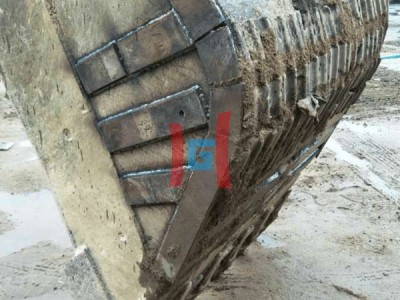
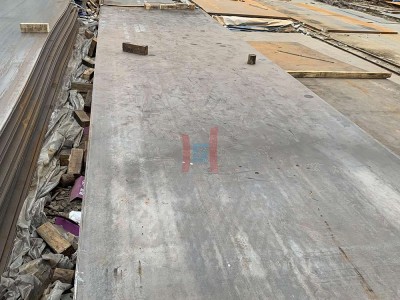
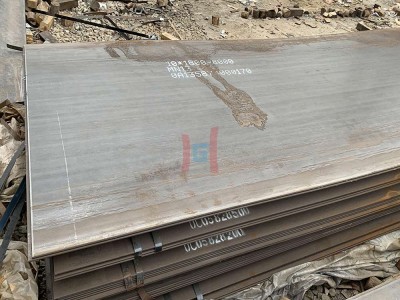
Wear-resistant steels, also known as abrasion-resistant steels, are quenched to achieve a hard martensitic structure. These steels, like AR 450 and wear plate steel, have high hardness, providing them with excellent mechanical properties that extend the lifespan of wear parts and reduce equipment weight. They are highly effective in industries requiring wear-resistant coating for equipment that must endure extreme wear and tear.
Despite their hardness, wear-resistant steel can still be bent, welded, cut, and machined using standard methods. These steels are ideal for harsh environments, such as mining and construction, where durability is crucial. Wear plate steel is often used for surfaces that face heavy abrasion, such as in mining or heavy machinery. AR 450 is a popular grade due to its resistance to impact and abrasion, making it suitable for demanding applications.
Wear-resistant steels stand out for their ability to handle extreme wear and tear, making them the best choice for equipment exposed to heavy abrasion.