Wear Issues in the Screw Machine of Shield Tunneling

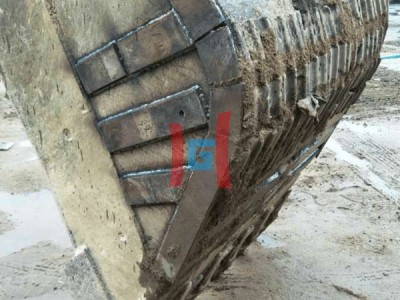
Problem Description During shield machine excavation, the screw machine is used.The blades are rotated inside the soil bin.As a result, the slag inside the bin causes continuous wear on the blades.Wear-resistant treatment must be applied to the part exposed from the soil bin. When slag enters the screw machine barrel, it changes...
Mn13 vs. X120Mn12: A Simple Comparison of High Manganese Steels

High manganese steels are used because of their excellent wear resistance and toughness.Two popular types are Mn13 and X120Mn12.In this guide, the key points, uses, and differences will be explained simply. Overview of Mn13 and X120Mn12 Both steels are known for high strength and resistance to wear.They share similar compositions but are...

Wear-Resistant Steel Plates for Heavy Wear Conditions

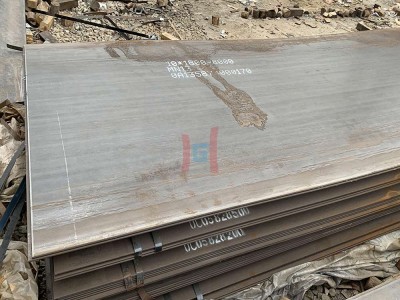
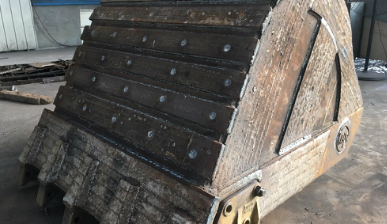
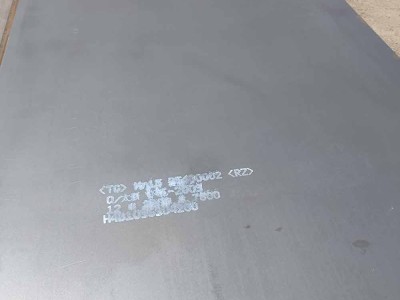
Wear-Resistant Steel Plates Overview Wear-resistant steel plates are used where heavy wear and damage often occur. These plates are made with a strong base and a durable surface layer. Composition and Structure Wear-resistant plates are made from two layers: Base Layer (Cold-Rolled Steel Plate):Used for strength and bending resistance. Surface Layer (Aluminum Alloy):Provides high wear resistance. 🔹...

What Is the Difference Between High Manganese Steel and Manganese Steel?

1. Basic Concepts Both high manganese steel and manganese steel are special types of steel. They contain high levels of manganese and are known for their pressure resistance and wear resistance. Manganese steel usually contains 11%–14% manganese. High manganese steel contains more than 14%, often up to 18% or more. 2. Key...

What Are Wear-Resistant Pipe Materials and How to Choose Them?

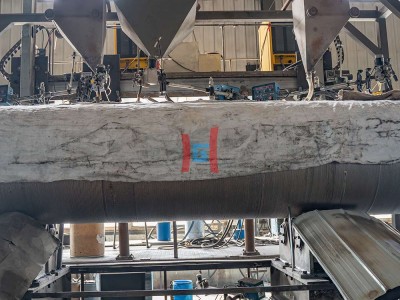
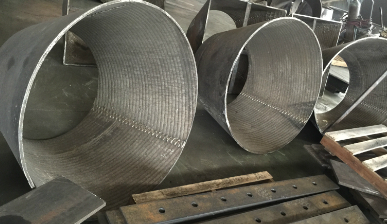
What Are Wear-Resistant Pipe Materials and How to Choose Them? Pipes are often used to transport materials in industrial systems. They are like the blood vessels of factories. However, because materials flow through them, pipe walls can wear down over time. To prevent this, wear-resistant pipes are needed. Different types of wear-resistant...

Material of the Wear-Resistant Layer in Chromium Carbide Cladding Plate 5+5

Alloy Composition The wear-resistant layer is made from a high-chromium alloy.Its composition includes: Carbon (C): About 5.0% Chromium (Cr): 27–30% A martensitic base with a high volume of Cr₇C₃ carbides, making up over 60% of the structure. Hardness Alloy layer hardness: HRC 57–65 Carbide hardness: HV 1400–1800 These values ensure high resistance to...

Advantages of High-Strength Wear-Resistant Steel

Introduction High-strength wear-resistant steel is created by adding alloying elements that enhance the material's structure through solid solution strengthening, grain boundary strengthening, and second phase strengthening. This steel type includes low-alloy martensitic steel, bainitic steel, and dual-phase steel. Composition and Properties Recent advancements use silicon as the main alloying element, leveraging its ability...

Abrasion Resistant Steel Plate

Abrasion resistant (AR) steel plate is a high-carbon alloy steel designed for enhanced hardness compared to low-carbon steel. This increased hardness makes AR steel ideal for harsh, high-abrasion conditions but unsuitable for structural applications. Key Characteristics Unlike many structural steels, AR steel is not governed by ASTM codes or specific chemical compositions,...