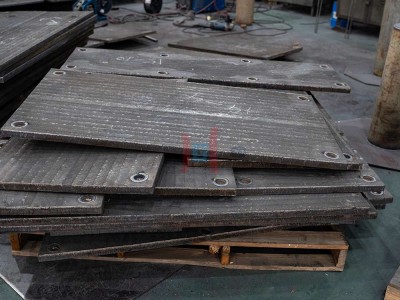
How to Cut, Punch, and Weld Composite Wear-Resistant Steel Plates

Composite wear-resistant steel plates require specific methods for cutting, punching, and welding. The recommended techniques are listed below. Cutting Plasma Cutting: The alloy surface should be cut first using air or inert gas plasma. Carbon Arc Cutting: Cutting should begin from the substrate side. Grinding Wheel Saw: Straight-line cuts can be made using silicon...
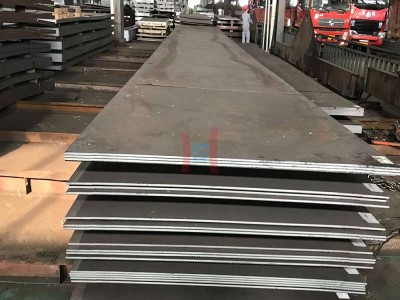
Selecting Welding Materials for Mn13 High Manganese Wear-Resistant Plates

Welding Rods For welding Mn13 high manganese wear-resistant plates, a low carbon steel welding core is used. Alloying elements are added to the coating to give the deposited metal the chemical composition and mechanical properties of the Mn13 plate. There are two types of welding rods commonly used: High Manganese Steel Type Rods: D256...

Differences Between Wear-Resistant Steel Plates and Wear-Resistant Composite Steel Plates

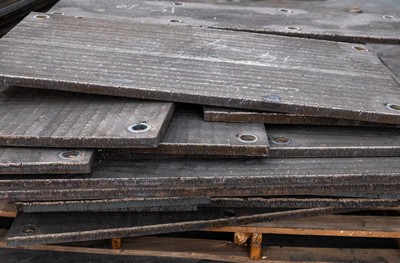
Wear-resistant parts of cladding plates Material Composition Wear-Resistant Steel Plate: Made of high manganese steel and high chromium cast iron, offering high hardness and wear resistance. Wear-Resistant Composite Steel Plate: Consists of a wear-resistant layer and a base plate. The wear-resistant layer, usually made of chromium carbide and carbide, provides superior durability and...

What is High Chromium Bimetal Cladding Plate

Alloy Composition: Carbon: 5.0% Chromium: 27-30% Martensitic matrix with over 60% Cr7C3 type carbides. Hardness: Macroscopic hardness of alloy layer: HRC 57-65. Carbide hardness: HV 1400-1800. Wear Resistance: 20-25 times more wear-resistant than low carbon steel. 8-12 times more wear-resistant than stainless steel and high manganese steel. Over 1.5 times more wear-resistant than general high carbon high chromium wear-resistant steel...

Chromium Carbide Wear Plate: Durable Overlay Plates & Steel Supplier

1. Overview Overlay welding is a process in which a material with specific properties is deposited on a weldment's surface. Rather than joining components, this technique creates a metal layer with enhanced properties such as wear resistance, heat resistance, and corrosion resistance. It is widely used in manufacturing and repair applications....

Basic Knowledge of High Manganese Steel

high manganese steel properties 1. What is Manganese Steel? Manganese steel, also known as high manganese steel, is used in harsh conditions involving impact, extrusion, and material wear. The primary forms of damage include wear, partial fracture, and deformation. Types of Wear: Friction Wear: Occurs between moving metal components. Abrasive Wear: Caused by...