What Is the Difference Between High Manganese Steel and Manganese Steel?
1. Basic Concepts
Both high manganese steel and manganese steel are special types of steel. They contain high levels of manganese and are known for their pressure resistance and wear resistance.
-
Manganese steel usually contains 11%–14% manganese.
-
High manganese steel contains more than 14%, often up to 18% or more.
2. Key Differences
a. Manganese Content
The main difference lies in the amount of manganese:
-
Manganese steel: 11%–14% manganese
-
High manganese steel: 14%–18% or more
Because of the higher manganese content, better hardness and wear resistance are provided by high manganese steel.
b. Hardness
Due to the added manganese:
-
High manganese steel is harder and can handle more wear and pressure.
-
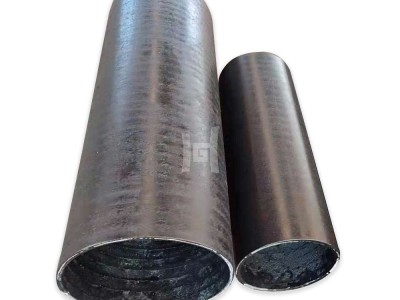
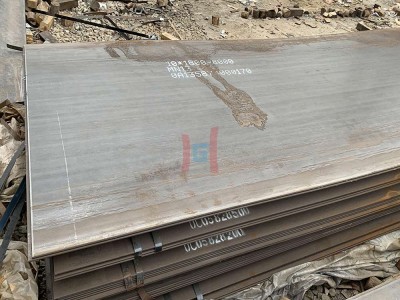
Manganese steel is softer, so it is often used in products with lower hardness requirements, such as thin sheets and pipes.
c. Applications
-
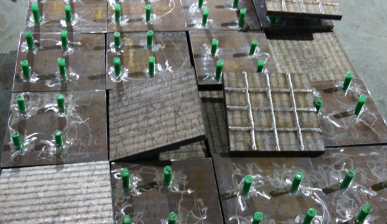
High manganese steel is mainly used in heavy industries, such as mining, construction, cement, and ports. Common parts include excavator buckets and cement mixers.
-
Manganese steel is widely used in automobiles, ships, and machinery, for parts like chassis and engine components.
3. Conclusion
In summary:
-
High manganese steel offers better strength, longer service life, and greater wear resistance.
-
Because of these benefits, it is used more often in engineering and heavy industry.
Therefore, when better durability is needed, high manganese steel is the preferred choice.