

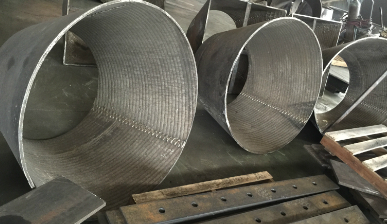
Cladding Wear-Resistant Composite Steel Pipes
1. Introduction
Wear is a major issue in many industries. Machines and pipelines often wear out quickly, reducing efficiency and increasing costs. To solve this, cladding wear-resistant composite steel pipes were developed. These pipes use special alloy layers on their surfaces to protect against wear.
2. Features of Cladding Wear-Resistant Steel Pipes
Excellent Wear Resistance
A strong alloy layer is cladded on both the inner and outer surfaces. This layer helps the pipe resist friction, impact, and corrosion. It also makes the pipe last longer.
Strong Structure
The base of the pipe is made from high-strength steel. It handles pressure and impact well. The cladding forms a tough outer shell that protects the pipe from outside damage.
Easy to Install and Maintain
These pipes can be made to fit different needs. They are easy to install and can match existing pipeline systems. This reduces repair costs and work time.
3. Applications
Coal Mining
Used in coal transport and processing lines. The pipes help reduce wear and equipment replacement, boosting work efficiency.
Metallurgy
Used in high-temperature and corrosive areas like furnaces and cooling pipes. These pipes protect against heat and wear.
Cement Production
Used in mills, crushers, and transport lines. The cladding protects equipment from strong impact and wear, which extends equipment life.
Power Plants
Used in coal delivery and grinding systems. The pipes resist high-speed wear and reduce energy loss, keeping power plants running smoothly.
4. Future Outlook
As industries grow, so does the need for strong, wear-resistant materials. Cladding steel pipes offer a smart solution. With better welding and materials in the future, these pipes will last even longer and be used in more places.
Summary Form
| Feature | Cladding Wear-Resistant Steel Pipes |
|---|---|
| Wear Resistance | Inner and outer alloy layers resist wear and corrosion |
| Strength | Strong base steel handles pressure and impact |
| Ease of Use | Customizable, easy to install and maintain |
| Main Applications | Coal mining, metallurgy, cement, power |
| Benefits | Longer life, fewer repairs, lower costs, better efficiency |
Share this post

Related Posts
Technical Parameters of Wear-Resistant Pipes
Technical Parameters of Wear-Resistant Pipes 1. General Specifications 1.1. The design, manufacturing, technical performance, chemical composition, physical properties, packaging, and transportation of... read more
Manganese Wear Plate: High Manganese Steel for Extreme Wear and Impact
Manganese wear plate, made from high manganese steel (Hadfield steel), is a specialized type of steel widely used in industries... read more
Teda Metal: Wear Protection and Wear Steel Solutions
Bimetallic White Iron Wear Parts Supplier0 Expert in Wear Prevention Teda Metal specializes in advanced wear protection solutions designed to safeguard high-impact... read more
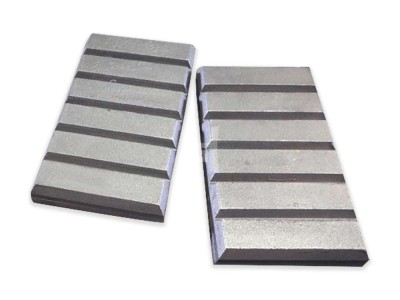
High Chromium Wear-Resistant Blocks and Plates
BTMCr26 and BTMCr32 Specifications BTMCr26 High Chromium Wear-Resistant Block: BTMCr26 is known for its durability and wear resistance. BTMCr32 High Chromium Coal Mill... read more

Chromium Carbide Cladding Plate vs. Ordinary Wear-Resistant Steel Plate
Wear-resistant plates are key to protecting equipment in tough industrial settings. Two common choices are chromium carbide cladding plates and... read more
Features of High Chromium Bimetal Cladding Plate
Features of High Chromium Bimetal Cladding Plate High chromium bimetal cladding composite wear-resistant steel plate is the current mainstream in wear-resistant... read more

Wear Plate Steel – Comprehensive Guide to Types
Wear plate steel refers to a category of abrasion‑resistant steels engineered to withstand wear, impact, and friction in demanding industrial... read more

What is High Chromium Bimetal Cladding Plate
Alloy Composition: Carbon: 5.0% Chromium: 27-30% Martensitic matrix with over 60% Cr7C3 type carbides. Hardness: Macroscopic hardness of alloy layer: HRC 57-65. Carbide hardness: HV 1400-1800. Wear... read more
Mounting Methods for Surfacing Composite Wear-Resistant Plates
Surfacing composite wear-resistant plates are widely used in modern industry. However, their installation and fixing can be challenging. Here are... read more
Cutting of High Manganese Steel
Overview High manganese steel is commonly used for wear-resistant parts in engineering machinery, especially under impact or pressure. Although it is... read more