
Chromium Carbide Cladding Plate vs. Ordinary Wear-Resistant Steel Plate
Wear-resistant plates are key to protecting equipment in tough industrial settings. Two common choices are chromium carbide cladding plates and ordinary wear-resistant steel plates. This guide compares their performance and use cases.
⚙️ 1. Key Performance Comparison
🔧 Hardness and Wear Resistance
-
Ordinary steel plates get their hardness from added alloys.
Surface hardness ranges from HB300 to HB500.
Under normal wear, this is enough.
But under constant abrasion (sand, gravel, minerals), they wear out faster. -
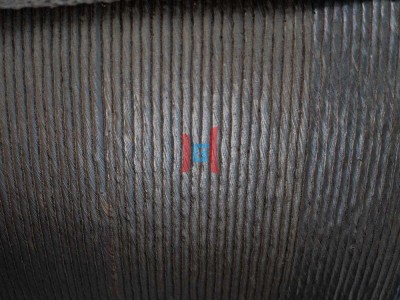
Chromium carbide plates have a surface layer of hard chromium carbide alloy.
Hardness reaches HRC58–65.
Their wear resistance is 3–5 times higher.
They are ideal for high-wear conditions.
🪨 Impact Resistance
-
Ordinary steel plates have limited toughness.
They may crack or break under strong impact. -
Chromium carbide plates have a dual-layer design:
-
A tough base absorbs impact.
-
A hard surface resists wear.
These plates hold up well under blasting or heavy machinery impact.
-
🌧️ Corrosion Resistance
-
Ordinary plates can rust in wet or acidic environments.
Corrosion reduces their lifespan. -
Chromium carbide plates resist corrosion when elements like molybdenum or copper are added.
They are used in chemical plants and marine settings.
🛠️ Ease of Processing
-
Ordinary plates are easy to cut, weld, and bend.
But repeated processing may affect their strength. -
Chromium carbide plates are harder to process.
Special tools and skills are needed.
But they keep their wear resistance after shaping.
🏭 2. Use Case Analysis
🧰 Where to Use Ordinary Wear-Resistant Plates
-
In light-wear conditions
-
In cost-sensitive projects
-
For small equipment and indoor systems
➡️ They offer a low-cost solution where extreme durability isn’t needed.
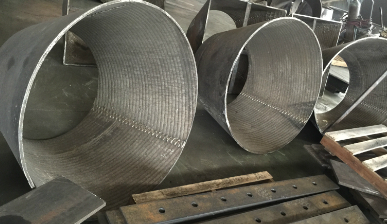
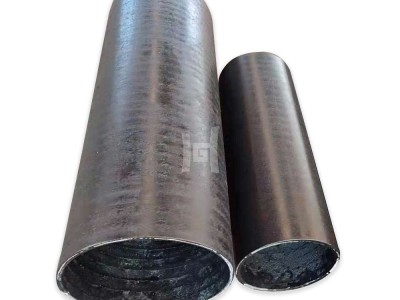
🏗️ Where to Use Chromium Carbide Cladding Plates
-
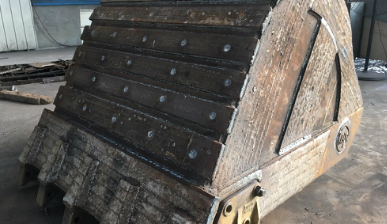
In mining, cement, steel, and power industries
-
For parts like:
-
Crusher hammers
-
Mill rollers
-
Blast furnace chutes
-
-
Under strong wear and impact
➡️ They extend equipment life and reduce maintenance costs.
🏢 3. Chromium Carbide Plates by Teda
Teda has over 20 years of experience in wear-resistant materials.
🧪 Technology & Quality
-
Plates are made using Teda’s own surfacing process.
-
Alloy ratios and parameters are precisely controlled.
-
Flat, stress-relieved surfaces are cut by high-precision lasers.
-
No cracking or peeling after welding.
👨🔬 R&D and Experience
-
Over 100 wear-resistant wire and plate formulas have been developed.
-
More than 5 million RMB is spent on R&D each year.
-
Products are used in large-scale mines, cement plants, and steel companies.
➡️ Proven quality helps customers cut maintenance costs and boost uptime.
🔄 Full-Service Support
Teda offers:
-
Working condition analysis
-
Custom product solutions
-
After-sales technical support
➡️ A full-process service for reliable equipment performance.
🎯 Final Thought
There is no “best” plate—only the right one for your needs.
📋 Comparison Form: Choose the Right Plate
| Feature | Ordinary Steel Plate | Chromium Carbide Plate |
|---|---|---|
| Wear Resistance | Medium | Very High |
| Impact Resistance | Low to Medium | High |
| Corrosion Resistance | Low (rusts easily) | Medium to High (with alloying) |
| Processing Difficulty | Easy | Hard (needs special tools) |
| Suitable Industries | Light-duty machinery, low-wear | Mining, cement, metallurgy |
| Cost | Low | Higher upfront, lower lifetime |
| Service Life | Short to Medium | Long |
| Customization | Basic | High (via Teda’s service) |