Technical Parameters of Wear-Resistant Pipes
Technical Parameters of Wear-Resistant Pipes
1. General Specifications
1.1. The design, manufacturing, technical performance, chemical composition, physical properties, packaging, and transportation of wear-resistant pipes must comply with the “Technical Conditions for Wear-Resistant Pipes in the Power Industry” (DL/T 680-2015) of the People’s Republic of China. The manufacturing method can be selected by the bidder, as long as product performance is ensured.
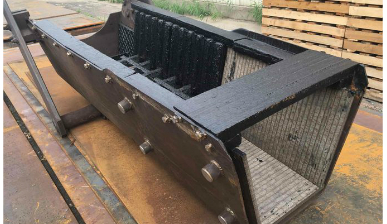
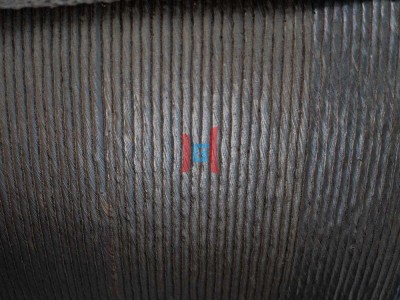
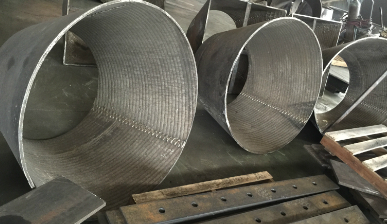
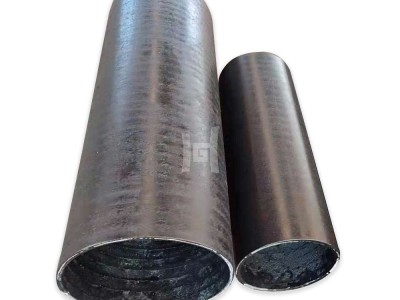
1.2. The wear-resistant pipe is lined with silicon carbide ceramics and is sintered and cast as a single unit.
1.3. The inner and outer surfaces of the silicon carbide wear-resistant pipes should be smooth and uniform. There should be no burrs, cracks, loose areas, pores, bubbles, or other surface defects. The paint should be even, and the flow direction and pipe number should be clearly marked.
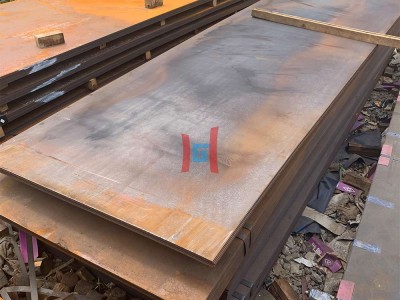
1.4. The lining material is a high-quality, high-temperature sintered silicon carbide ceramic, resistant to wear and erosion. The inner surface must be smooth and crack-free, with a smooth transition and no noticeable marks, residues, or burrs. The outer material is high-quality carbon steel with an 8mm wall thickness.
2. Physical and Chemical Properties
1.5. The physical and chemical indicators are as follows:
- SiC content ≥ 90%
- Working temperature range: 50℃ – 800℃
- Mohs hardness ≥ 9.0
- Rockwell hardness (HRA): 91-93
- Wall and SiC layer thickness to meet supply requirements as outlined in item 2.
3. Welding and Assembly
1.6. The inlet and outlet welding surfaces must be grooved to accommodate on-site manual arc welding. No special welding requirements should be necessary during on-site assembly to ensure optimal welding performance.
1.7. Silicon carbide ceramics are made using SiC grains as the primary raw material. The manufacturing process involves mixing, molding, drying, sorting, kiln firing, inspection, grinding, painting, and marking to complete production.
4. Service Life and Certification
1.8. The wear-resistant pipe must be designed to ensure no wear or leakage during the 5-year operational period, with the remaining wall thickness meeting the calculated strength value.
1.9. The product must be accompanied by a quality certificate when leaving the factory.