

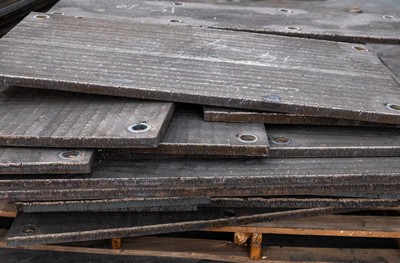
Main Factors Affecting the Price of Composite Wear-Resistant Plates
The price of composite wear-resistant plates is mainly affected by materials used, production process, and product specifications. These factors can cause large differences in cost.
1. Material and Composition
● Ordinary Materials
-
When carbon steel is used as the base material and the wear-resistant layer contains low to moderate alloy content, the price is usually lower.
-
Estimated price: ¥3,500–¥5,500 per ton.
-
These plates are commonly used in general industrial applications.
● High-Alloy Materials
-
When high-chromium alloys or chromium carbide are used, the alloy content is higher.
-
Estimated price: ¥8,000–¥12,000 per ton, or more.
-
These plates are highly resistant to wear and impact.
-
They are often used in mines, heavy machinery, and harsh environments.
2. Production Process
● Overlay Welding
-
In this process, wear-resistant alloy is welded onto the steel plate.
-
It requires skilled labor, advanced equipment, and more energy.
-
Estimated price: ¥6,000–¥10,000 per ton.
● Hot Rolling
-
In this method, two metals are combined under heat and pressure.
-
It has high efficiency and lower ongoing costs, though initial investment is high.
-
Estimated price: ¥4,000–¥7,000 per ton.
3. Specifications and Sizes
● Thickness
-
Thicker plates require more materials and complex processing.
-
Plates below 6mm are more affordable.
-
Plates above 20mm can be significantly more expensive.
● Area and Size
-
Larger plates require advanced equipment and increase transportation and installation costs.
-
Customized sizes are more expensive due to extra processing.
Performance of Composite Wear-Resistant Steel Plates
Composite wear-resistant plates have proven reliable in many industries over the years. Their main features include:
-
High wear resistance
-
Strong impact resistance
-
High temperature resistance
-
Good weldability
These plates can be:
-
Cut, bent, and welded
-
Connected using welding, bolting, or plug welding
-
Easily maintained on site, saving time
They are widely used in:
-
Metallurgy
-
Cement
-
Mining
-
Coal
-
Electric power
-
Ports and terminals
➡️ Compared to other materials, these plates offer excellent cost performance and help reduce long-term operating costs.
Share this post

Related Posts
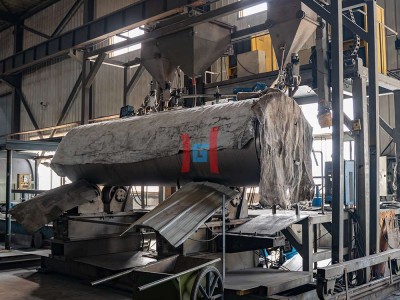
Wear-Resistant Steel Plates in the Cement Industry
Economic Benefits of Composite Wear-Resistant Steel Plates in the Cement Industry The growth of large-scale cement production has increased the need... read more

Wear Resistance Mechanism of Mn13 Steel Plate
Wear Resistance Mechanism of Mn13 Steel Plate Mn13 steel plate is known for its exceptional wear resistance. Its wear mechanism can... read more
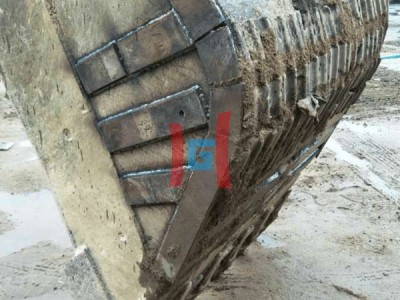
Wear-Resistant Steel Plates for Heavy Wear Conditions
Wear-Resistant Steel Plates Overview Wear-resistant steel plates are used where heavy wear and damage often occur. These plates are made with a... read more
Excavator Rock Bucket: Durable and Wear-Resistant
Excavator Rock Bucket: Durable and Wear-Resistant The excavator rock bucket is a widely used bucket accessory, valued for its durability and... read more

Performance Characteristics of Wear-Resistant Coatings
Performance Characteristics of Wear-Resistant Coatings Aesthetic Appeal: Provides good appearance and color, suitable for various shapes. Corrosion Resistance: Exhibits excellent... read more
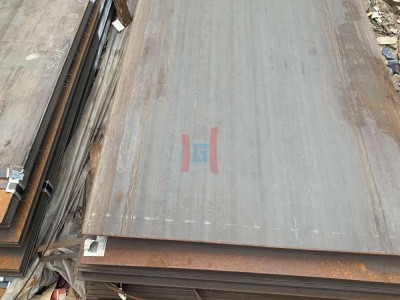
Overview of NM450 and AR450 Steel
Overview of NM450 and AR450 Steel NM450: Originates from China, where it is widely manufactured. "NM" stands for "wear-resistant steel" in... read more
NM400 NM450 NM500 Steel Service Wear-Resistant Steel
Service: SERVICE DESCRIPTION Cutting 1. Can be cut by plasma, laser, water jet, arc gouge, and abrasive saw cutting; 2. Cannot be cut by oxy-fuel. Welding 1.... read more
Wear Resistant Steel Grades: Identification & Abrasion Performance
Wear resistant steel (AR steel) is a type of high-strength alloy designed to withstand heavy wear, impact, and abrasion in... read more

Customer repurchased wear-resistant plates
Last week, a customer repurchased a batch of NM450 wear-resistant plates. Many people may not be familiar with the NM... read more
Wear-Resistant Steel Cost Calculator: Initial Purchase Cost vs Long-Term Maintenance Savings
Cost Calculator: Initial Purchase Cost vs Long-Term Maintenance Benefits of Wear-Resistant Steel When purchasing wear-resistant materials, many buyers focus only on... read more