Why High Manganese Steel Plates Are Non-Magnetic
Why High Manganese Steel Plates Are Non-Magnetic
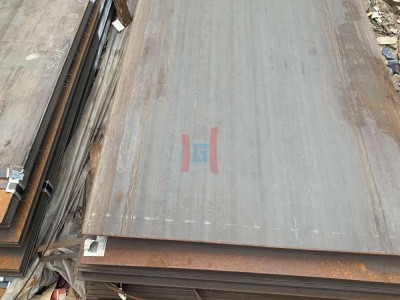
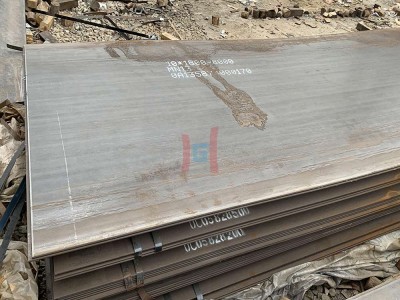
High manganese steel plates are a fascinating material widely used in industries that demand toughness, wear resistance, and strength. One of their unique properties is that they are non-magnetic, a feature that sets them apart from most steel grades. In this blog post, we’ll delve into the science behind why high manganese steel plates are non-magnetic and explore their key characteristics and applications.
What is High Manganese Steel?
High manganese steel, also known as Hadfield steel, typically contains around 12-14% manganese and 0.8-1.5% carbon. This unique composition gives it extraordinary toughness, wear resistance, and work-hardening capabilities. It is commonly used in industries such as mining, construction, and heavy machinery.
Why is High Manganese Steel Non-Magnetic?
The non-magnetic nature of high manganese steel plates can be explained by their atomic structure and material behavior:
1. Austenitic Structure
High manganese steel is primarily an austenitic steel, which means its crystal structure is face-centered cubic (FCC). Austenitic steels are inherently non-magnetic due to the way the atoms are arranged in this structure. The FCC arrangement prevents the alignment of magnetic domains, which is necessary for a material to exhibit magnetism.
2. High Manganese Content
The high manganese content plays a significant role in stabilizing the austenitic structure, even at room temperature. Unlike other steels that might become magnetic due to changes in their crystal structure (e.g., martensitic transformation), high manganese steel remains non-magnetic due to its stable austenitic phase.
3. Work-Hardening Properties
When subjected to high impact or pressure, high manganese steel undergoes work hardening. This process strengthens the material without altering its austenitic structure, ensuring that it retains its non-magnetic nature.
Advantages of Non-Magnetic High Manganese Steel
The non-magnetic property of high manganese steel plates offers several advantages:
- Suitable for Magnetic Environments: These plates are ideal for applications where magnetic interference must be avoided, such as in electrical or electromagnetic systems.
- High Impact Resistance: Their non-magnetic nature is paired with excellent toughness and wear resistance, making them perfect for heavy-duty applications.
- Enhanced Safety: The absence of magnetic properties reduces risks in certain industries where magnetism can pose operational challenges.
Applications of High Manganese Steel Plates
Due to their unique properties, high manganese steel plates are used in:
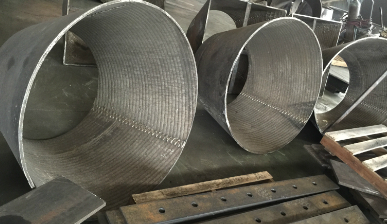
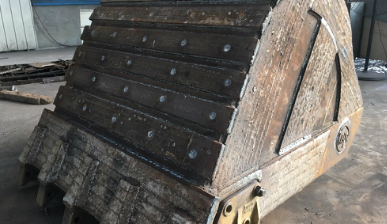
- Mining and Quarrying: Components like crusher liners and shovel buckets.
- Railway Tracks: Points and crossings to withstand impact and wear.
- Heavy Machinery: Gears, cutting edges, and other high-wear parts.
- Industrial Equipment: Non-magnetic environments where strength and durability are required.
Conclusion
High manganese steel plates combine strength, wear resistance, and a non-magnetic nature, making them indispensable in a variety of industries. The secret lies in their austenitic structure and the stabilizing effects of high manganese content.
By understanding the science behind their non-magnetic properties, industries can better leverage this extraordinary material for applications that demand durability without magnetic interference.