Understanding Wear-Resistant Steel Plates in China
Understanding Wear-Resistant Steel Plates
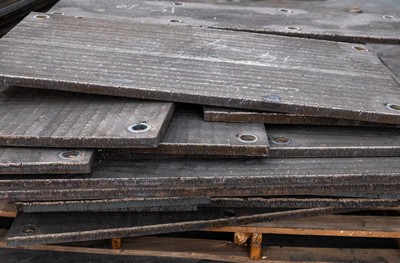
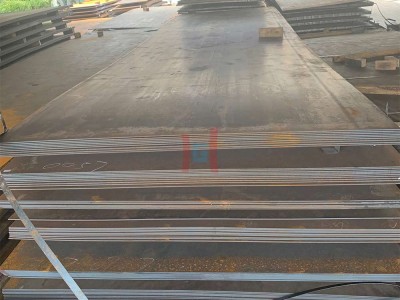
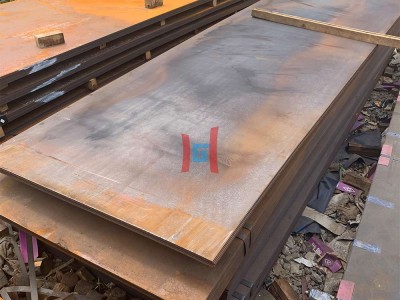
Wear-resistant steel plates are specialized products designed for use in high-wear environments. They are made by applying a thick layer of hard, wear-resistant material onto the surface of ordinary low-carbon or low-alloy steel. This combination provides the toughness and plasticity needed for durability.
What is the Material of Wear-Resistant Steel Plates?
The primary material is steel, consisting of a low-carbon base plate and an alloy wear-resistant layer. This wear-resistant layer typically makes up about 1/2 to 1/3 of the plate’s thickness and is rich in chromium. The chromium content can reach 20% to 30%, resulting in a high surface hardness and excellent wear resistance, extending the product’s service life.
Key Characteristics
- Impact Resistance: Wear-resistant plates have strong impact resistance. They can endure significant drops during material transport without sustaining serious damage.
- Heat Resistance: These plates can typically be used at temperatures below 600 degrees Celsius. If vanadium and platinum are added during manufacturing, they can withstand high temperatures up to 800 degrees without issues.
- Corrosion Resistance: The high chromium content also gives wear plates excellent corrosion resistance, minimizing worries about degradation.
- Cost-Effectiveness: Although wear-resistant plates are 1 to 2 times more expensive than standard steel plates, they last over 10 times longer. This longevity makes them a cost-effective choice.
- Easy Processing: Wear-resistant plates are highly weldable and can be bent into various shapes, making them convenient to work with.
Standards and Manufacturers
Wear-resistant steel plates conform to the GB/T24186-2009 standard. Notable manufacturers include Wuhan Iron and Steel, Baosteel, Nangang, Xinsteel, and Laigang.
| Grade | Thickness | Width | Length |
| NM360 | 8 | 2200 | 8000 |
| NM360 | 10 | 2200 | 8000 |
| NM360 | 15 | 2200 | 8000 |
| NM400 | 12 | 2200 | 8000 |
| NM500 | 16 | 2200 | 8000 |
| NM360 | 20 | 2200 | 10300 |
| NM450 | 25 | 2200 | 12050 |
| NM400 | 30 | 2200 | 8000 |
| NM360 | 35 | 2090 | 10160 |
| NM400 | 40 | 2200 | 8000 |
| NM400 | 45 | 2200 | 8000 |
| NM400 | 50 | 2200 | 8000 |
| NM360 | 60 | 2200 | 7000 |
| NM360 | 135 | 0635 | 2645 |
| NM400 | 70 | 2200 | 9500 |
| NM400 | 80 | 2200 | 8000 |
Main Grades and Thicknesses
Common grades include NM360, NM400, NM450, and NM500, with thicknesses ranging from 6 mm to 40 mm.
Mechanical Properties
- NM360: Hardness 330-390 HBW, yield strength ≥900 MPa, tensile strength ≥1100 MPa.
- NM400: Hardness 370-430 HBW, yield strength ≥1000 MPa, tensile strength ≥1200 MPa.
- NM450: Hardness 420-480 HBW, yield strength ≥1100 MPa, tensile strength ≥1250 MPa.
- NM500: Hardness ≥470 HBW, yield strength ≥1200 MPa, tensile strength ≥1500 MPa.
Conclusion
Wear-resistant steel plates offer numerous advantages for various applications. Their durability, heat resistance, and corrosion protection make them ideal for challenging conditions. By choosing wear-resistant plates, users can enhance their operations and ensure long-lasting performance.
Teda Ganghua Metal -18years
Provide professional wear-resistant products
Wear-resistant Supplier
Bring detailed specifications to contact me if you need
We have high quality and reasonable prices