What Is Wear-Resistant Steel?
Understanding Wear in Steel
Wear occurs when steel surfaces rub against each other over time. It can be intentional or unintentional.
- Intentional wear happens during grinding, sandblasting, and polishing, where material removal is needed.
- Unintentional wear can cause damage, leading to reduced performance and shorter lifespan.
To prevent damage, wear-resistant steel is used. While steel is naturally strong, not all types resist wear effectively. Some steels are specially designed to reduce wear, making them ideal for demanding applications.
How Is Wear-Resistant Steel Made?
Like other steels, wear-resistant steel is produced from iron ore, carbon, and alloying elements.
Manufacturing Process
- Iron ore is melted in a blast furnace to remove impurities.
- Carbon and alloying elements, such as chromium and manganese, are added.
- Additional elements are introduced to improve oxidation resistance.
- The molten steel is then formed, heat-treated, and cut into sheets or plates.
The high carbon content and added alloys make the steel harder and more resistant to wear.
Why Is Wear-Resistant Steel Stronger?
Key Factors That Improve Wear Resistance
- Alloying Elements:
- Carbon increases hardness and strength.
- Chromium and manganese reduce surface wear.
- Heat Treatment:
- The steel undergoes rapid heating and quenching to create a hard microstructure.
- If overheated, an annealing effect can occur, reducing hardness and wear resistance.
Care must be taken during welding and heating to preserve hardness and extend steel life.
Types of Wear-Resistant Steel
Different wear-resistant steels exist, each with a specific Brinell Hardness Number (BHN).
Common Grades
- AR400 – BHN 400, offers good formability with wear resistance.
- AR450 – BHN 450, slightly harder and more durable.
- AR500 – BHN 500, provides higher hardness for extreme wear conditions.
Applications
These steels are widely used in heavy-duty industries, such as:
✅ Mining equipment
✅ Cement molds
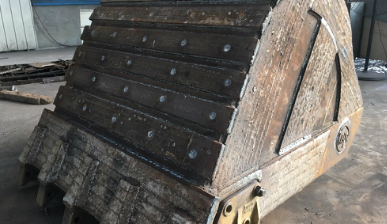
✅ Excavation tools
✅ Conveyor systems
Each grade is selected based on hardness, strength, and durability requirements.
Conclusion
Wear-resistant steel extends the lifespan of equipment, improves performance, and reduces maintenance costs. Selecting the right grade ensures long-lasting protection in harsh environments.