Hardness vs Toughness Trade-Off in Wear-Resistant Steel: Why NM400 is the Sweet Spot Zone
In wear-resistant material selection, engineers constantly face a core contradiction: higher hardness improves abrasion resistance, but lower toughness increases the risk of cracking under impact. Finding the “sweet spot” between hardness and impact toughness is the key to achieving long service life, stable performance, and cost efficiency in real industrial environments such as mining, cement production, and bulk material handling systems.
Why Hardness Alone Cannot Define Wear Resistance
Hardness is often misunderstood as the only indicator of wear performance. In reality, wear mechanisms are complex and include abrasion, impact, erosion, and sliding contact. A material with extremely high hardness may resist cutting wear effectively, but it can fail quickly under repeated impact due to brittle fracture.
This is why ultra-hard materials do not always perform better in real-world working conditions.
Understanding Impact Toughness in Engineering Materials
Impact toughness represents a material’s ability to absorb energy before fracture. In industrial applications, this property determines whether a wear plate can survive dynamic loading, vibration, and shock conditions.
Low toughness materials may crack suddenly even if their hardness is high, especially in welded structures or high-stress mounting areas.
The “Sweet Spot” Concept: Balancing Two Opposing Forces
The optimal wear material is not the hardest one, but the one that achieves the best balance between hardness and toughness for a specific application. This balance is often called the “sweet spot zone.”
In practical engineering, this zone varies depending on:
• Type of wear (abrasion, impact, or combined)
• Particle size and hardness
• Load intensity and frequency
• Structural design and welding conditions
For example, mining equipment requires a different balance than cement chute liners or conveyor systems.


Hardness vs Toughness Trade-Off in Wear-Resistant Steels
| Material Level | Hardness | Impact Toughness | Wear Resistance | Risk Profile |
|---|---|---|---|---|
| Low hardness steel | Low | High | Low | Fast wear loss |
| Balanced wear steel (NM400 range) | Medium | Medium-High | High | Optimal performance zone |
| Ultra-hard steel (NM500+) | Very High | Low | Very High (abrasion only) | Crack risk under impact |
Why NM400 Often Sits in the “Sweet Spot”
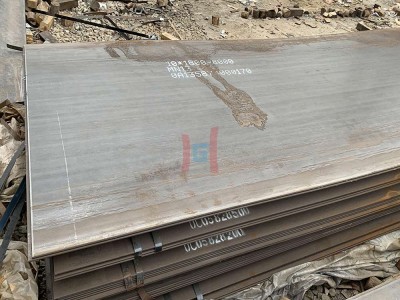
In many industrial applications, NM400-grade wear-resistant steel is widely adopted because it provides a balanced combination of hardness and toughness. It performs well under mixed conditions where both abrasion and impact exist simultaneously.
Higher grades such as NM500 may offer better abrasion resistance, but their reduced toughness limits performance in real structural applications involving shock loads and welding stress.
Engineering Failure Cases: When Balance Is Ignored
Many wear system failures are not caused by insufficient hardness, but by improper material selection. Common issues include:
• Cracking at welded joints due to excessive hardness
• Edge chipping in high-impact zones
• Unexpected wear acceleration in mixed conditions
• Shortened service life due to brittle fracture
These problems highlight the importance of evaluating real working conditions instead of relying solely on hardness values.
Commercial Considerations for Buyers and Engineers
From a procurement perspective, selecting the right balance directly affects lifecycle cost. Over-specifying hardness increases material cost and fabrication risk, while under-specifying reduces service life and increases maintenance frequency.
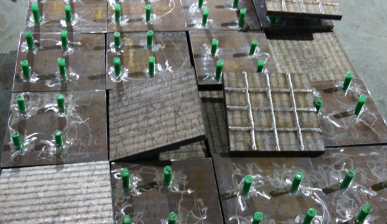
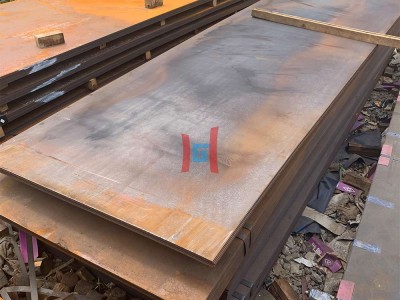
Industrial buyers often evaluate balanced solutions such as NM400 wear-resistant steel plate as a practical “sweet spot” option for most engineering applications.
For distributors and OEM suppliers, offering multiple hardness grades allows better matching with different wear environments, improving both customer satisfaction and project success rates.
FAQ
Is higher hardness always better for wear resistance?
No, higher hardness improves abrasion resistance but reduces toughness, increasing fracture risk under impact.
What is the “sweet spot” in wear materials?
It refers to the optimal balance between hardness and toughness for a specific working condition.
Why do some hard steels fail early in service?
Because excessive hardness reduces impact resistance, leading to cracking or brittle failure.
Which steel grade is closest to the balance point?
NM400 is widely considered a balanced option for mixed wear and impact conditions.
How should buyers choose wear-resistant steel?
Selection should be based on actual working conditions, including impact level, abrasion type, and structural requirements.