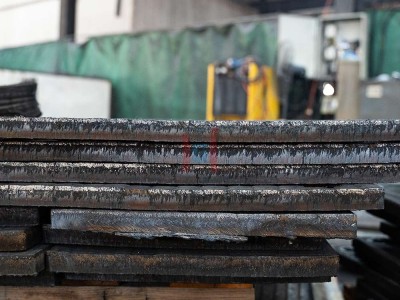
Mn13 Steel: Characteristics, Applications, and Benefits
Mn13 is a high-manganese steel known for its exceptional wear resistance and toughness. With its unique properties, this alloy stands out in demanding applications, particularly those involving high impact and abrasion. In this blog, we will explore the characteristics, common uses, and advantages of Mn13 steel.
What is Mn13 Steel?
Mn13 steel, also known as Hadfield steel, is an austenitic manganese alloy containing approximately 12-14% manganese and 1.0-1.3% carbon. The high manganese content makes it extremely durable under mechanical stress, as it undergoes work hardening, a process where the steel surface becomes harder when subjected to repeated impacts or wear.
Key Characteristics of Mn13 Steel
- Work Hardening
Mn13 steel hardens significantly when subjected to impact or pressure. Its initial hardness (HB 200) can increase to over HB 500 after exposure to stress, ensuring excellent resistance to wear. - Exceptional Toughness
Despite its hardness, Mn13 retains high toughness, preventing it from cracking under high impact loads. - Corrosion Resistance
Mn13 steel demonstrates good resistance to oxidation and corrosion, even in harsh environments. - Non-Magnetic
It remains non-magnetic under most conditions, making it suitable for specialized applications.
Applications of Mn13 Steel
Thanks to its unique properties, Mn13 is used in industries where materials are exposed to severe wear and impact. Common applications include:
- Mining Equipment: Crusher jaws, hammers, and grinding mills.
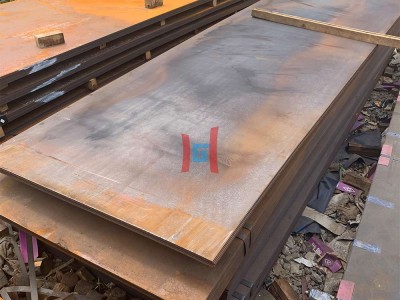
- Construction Machinery: Bulldozer blades, excavator buckets, and wear plates.
- Railways: Frogs, switches, and crossings.
- Cement Industry: Liners and wear-resistant parts for mills.
Advantages of Mn13 Steel
- Extended Service Life
The self-hardening property ensures components made from Mn13 last longer, even in abrasive conditions. - Cost-Effectiveness
Reduced wear and tear minimize downtime and maintenance costs over time. - Adaptability
Mn13 components can be machined or fabricated into a variety of shapes to meet different industrial needs.
Challenges and Considerations
While Mn13 steel is highly durable, it has some limitations:
- Welding Difficulty: Special techniques and materials are required due to its high manganese content.
- Initial Softness: Before work hardening, Mn13 is relatively soft, which can limit its immediate effectiveness in static applications.
Conclusion
Mn13 steel is a versatile and durable material ideal for high-impact, abrasive environments. Its work-hardening properties, combined with toughness and corrosion resistance, make it a preferred choice in industries like mining, construction, and railways. By understanding its characteristics and applications, businesses can harness Mn13’s full potential to improve efficiency and reduce costs.
If you’re looking to incorporate Mn13 into your projects, consult with a trusted supplier to ensure quality and optimal performance.