NM400 vs NM450 vs NM500 Wear-Resistant Steel: Hardness Levels, Performance Comparison & Industrial Applications
In industrial wear-resistant steel applications, selecting the correct hardness grade is the most critical factor affecting service life, cost efficiency, and wear performance. NM400, NM450, and NM500 are the most commonly used abrasion-resistant steel grades in mining, construction machinery, cement plants, and bulk material handling systems. However, many buyers struggle to choose the right grade because higher hardness does not always mean better performance in every working condition.
Understanding NM Steel Hardness Levels
NM series wear-resistant steels are defined primarily by Brinell hardness (HBW). The number after “NM” represents the approximate hardness level, which directly influences wear resistance and impact toughness balance.
Higher hardness improves abrasion resistance, but usually reduces toughness and weldability. This trade-off is the key to correct material selection.
NM400 vs NM450 vs NM500: Core Performance Comparison
| Grade | Hardness (HBW) | Wear Resistance | Impact Toughness | Typical Applications |
|---|---|---|---|---|
| NM400 | 360–440 | Good | High | Buckets, liners, light mining wear parts |
| NM450 | 430–480 | Higher | Medium | Cement equipment, dump trucks, heavy wear zones |
| NM500 | 470–540 | Very high | Lower | Extreme abrasion environments, high-impact liners |
How Hardness Affects Wear Mechanism
Wear resistance in NM steels is mainly governed by surface hardness. Harder materials resist micro-cutting and abrasive particle penetration more effectively. However, as hardness increases, the material becomes less tolerant to impact stress and welding deformation.
This is why selecting NM400, NM450, or NM500 is not a simple “higher is better” decision—it depends on the wear mechanism in real operating conditions.


Application-Based Selection Guide for Buyers
For procurement and engineering design, the correct selection depends on working environment:
• NM400: Best for mixed wear + impact conditions, good weldability, cost-efficient
• NM450: Balanced option for heavy-duty industrial equipment
• NM500: Best for high abrasion, low-impact conditions such as fine particle wear
In real industrial projects, many engineers prefer NM400 or NM450 because they provide better service stability in complex working environments.
Trade-Off Between Hardness and Toughness
As hardness increases from NM400 to NM500, wear resistance improves, but toughness and weldability decrease. This trade-off is critical in fabrication-heavy industries where welding, bending, and forming are required.
Excessively high hardness may lead to cracking risk during processing or in impact-heavy applications.
Commercial Value for Industrial Buyers and Distributors
For OEM manufacturers, mining equipment suppliers, and steel distributors, correct NM grade selection directly affects project success rate and lifecycle cost. Choosing the wrong hardness level can result in premature wear failure or unnecessary over-specification costs.
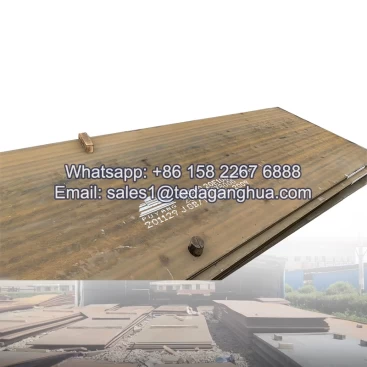
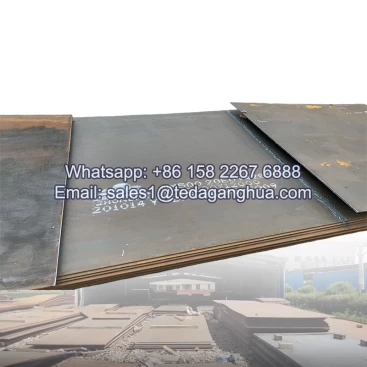
Stable sourcing of high-quality wear-resistant plates such as NM400 wear-resistant steel plate ensures consistent hardness performance and reliable industrial processing.
For B2B buyers, offering multiple NM grades allows flexible matching of different industrial wear scenarios and improves competitiveness in engineering supply chains.
FAQ
Is higher NM number always better?
No, higher hardness improves wear resistance but reduces toughness and weldability, so selection depends on application.
Which NM grade is most commonly used?
NM400 is the most widely used due to its balance of wear resistance, toughness, and cost.
Can NM500 replace NM400 in all applications?
No, NM500 is better for low-impact abrasion environments, while NM400 performs better in mixed conditions.
Is NM steel easy to weld?
Weldability decreases as hardness increases, with NM400 being the easiest among the three.
How do buyers choose the right NM grade?
Selection should be based on wear type, impact level, and fabrication requirements, not hardness alone.